Company News
Mar. 24, 2026
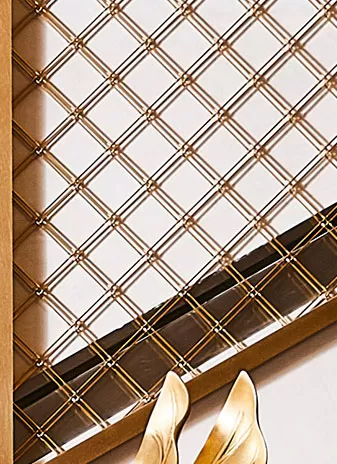
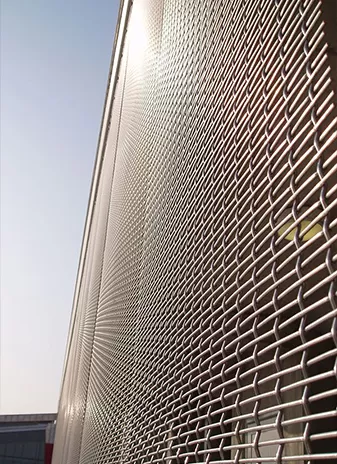
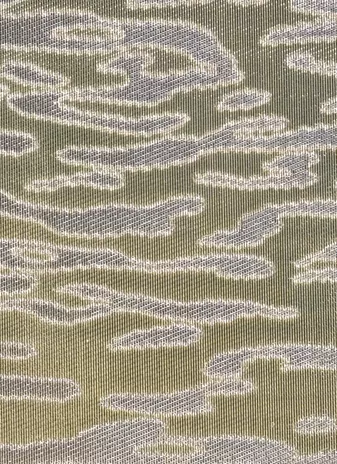
As industrial architecture continues to evolve, architectural wire mesh has become a preferred material for combining functionality, durability, and modern aesthetics. From factory facades to industrial partitions and ventilation systems, wire mesh offers both structural performance and visual appeal.
However, selecting the right architectural wire mesh for industrial use requires careful evaluation of multiple factors, including material, weave type, strength, and environmental conditions.
In this guide, we help buyers, contractors, and project managers choose the most suitable architectural wire mesh for industrial applications.
What Is Architectural Wire Mesh?
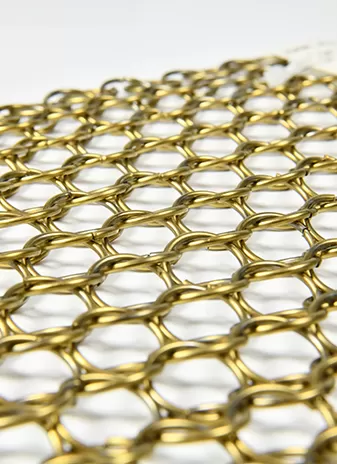
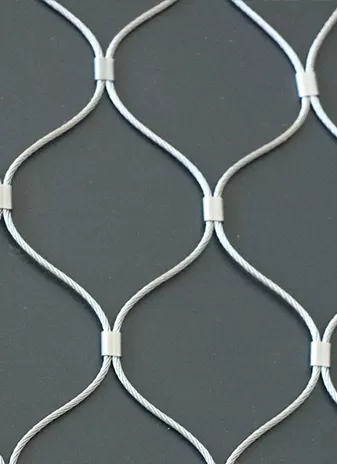
Architectural wire mesh refers to woven or welded metal mesh specifically designed for architectural and industrial applications. It is widely used for:
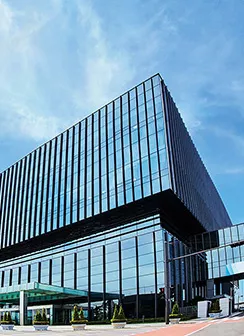
Building facades
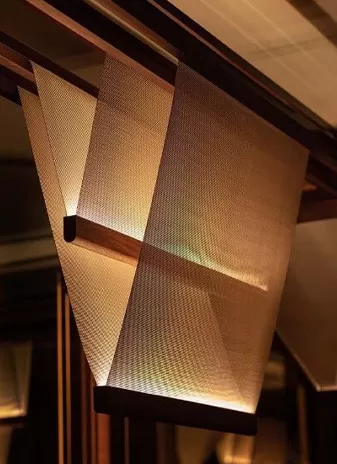
Sunshades and cladding systems
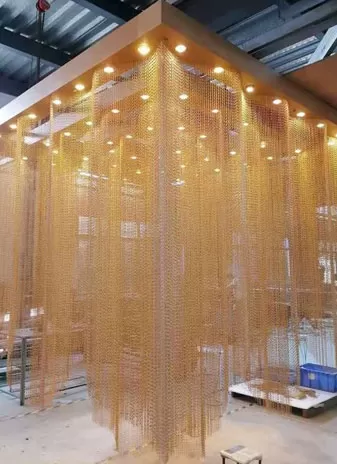
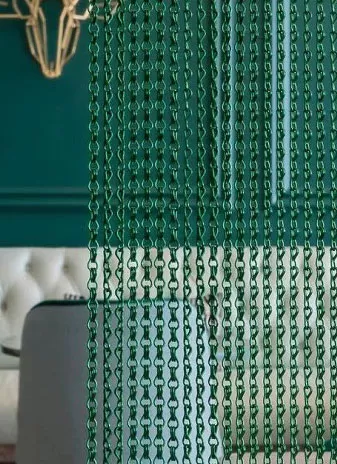
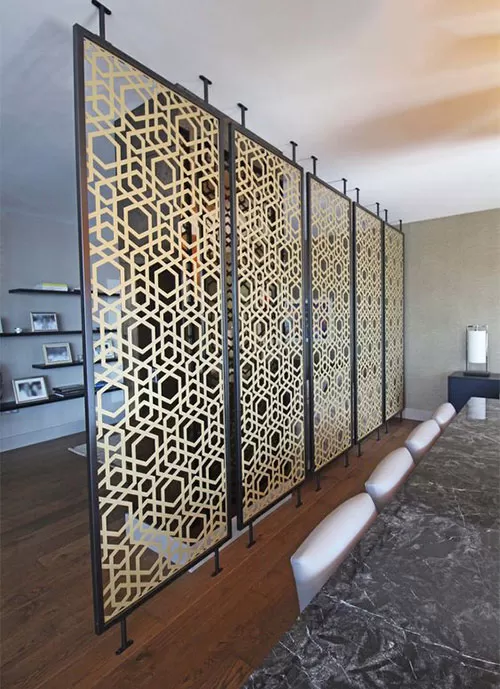
Interior partitions
Safety barriers
Ventilation and filtration systems
Compared to traditional materials, architectural mesh offers a unique balance of strength, transparency, airflow, and design flexibility.
Key Benefits of Architectural Wire Mesh in Industrial Use
1. Durability and Strength
Industrial environments require materials that can withstand heavy use, mechanical stress, and harsh conditions. High-quality wire mesh provides excellent tensile strength and long-term durability.
2. Ventilation and Airflow
Mesh structures allow natural airflow, making them ideal for factories, warehouses, and industrial plants where ventilation is critical.
3. Aesthetic Appeal
Modern industrial architecture increasingly values appearance. Architectural mesh delivers a sleek, contemporary look while maintaining functionality.
4. Low Maintenance
With proper material selection (such as stainless steel or coated mesh), maintenance requirements are minimal.
Types of Architectural Wire Mesh for Industrial Applications
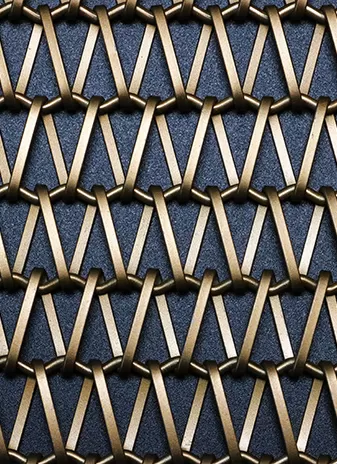
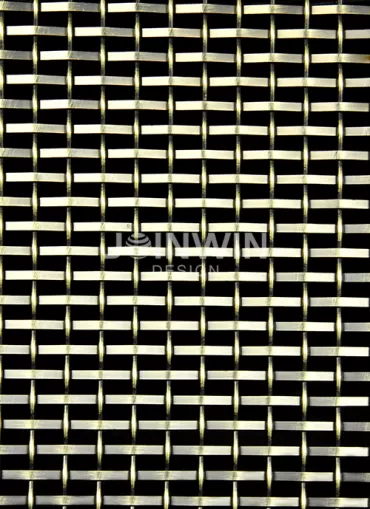
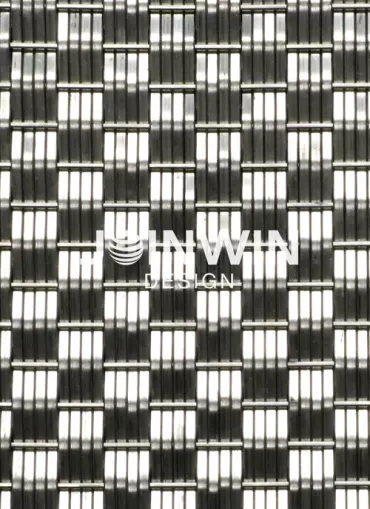
1. Woven Wire Mesh
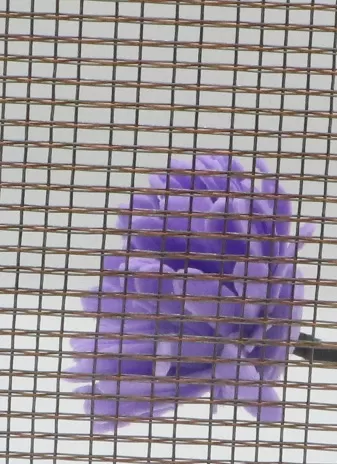
Woven mesh is produced by interlacing metal wires.
Features:
Flexible design options
Smooth surface
Decorative and functional
Applications:
Interior partitions
Decorative facades
Ceiling systems
2. Welded Wire Mesh
Welded mesh is made by welding wires at intersections.
Features:
Rigid structure
High strength
Uniform openings
Applications:
Safety barriers
Machine guards
Industrial fencing
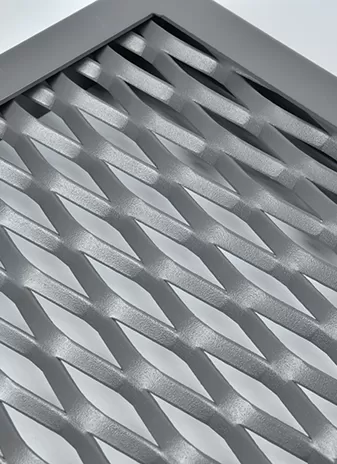
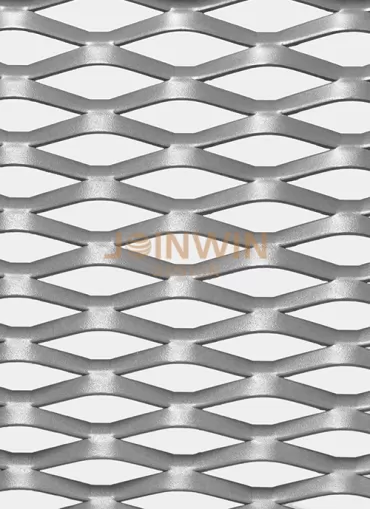
3. Expanded Metal Mesh
Expanded mesh is formed by cutting and stretching metal sheets.
Features:
Strong and impact-resistant
No welding points (higher integrity)
Slip-resistant surface
Applications:
Walkways and platforms
Protective enclosures
Heavy-duty industrial use
Key Factors to Consider When Choosing Architectural Wire Mesh
1. Material Selection
Choosing the right material is critical:
Stainless Steel (304/316):
Excellent corrosion resistance, ideal for harsh environments
Galvanized Steel:
Cost-effective and suitable for general industrial use
Aluminum:
Lightweight and corrosion-resistant, ideal for facades
For industrial environments, stainless steel is often the best long-term choice.
2. Wire Diameter and Mesh Size
Thicker wires: Higher strength and durability
Smaller openings: Better security and filtration
Larger openings: Improved airflow and visibility
Balance strength and functionality based on application.
3. Load and Strength Requirements
Industrial applications often involve:
Mechanical impact
Wind load (for facades)
Weight-bearing (for platforms or partitions)
Ensure the mesh meets structural requirements and safety standards.
4. Surface Treatment and Coating
Surface treatment determines durability:
Hot-dip galvanizing: Strong corrosion protection
PVC coating: Extra protection and aesthetic appeal
Powder coating: Enhanced appearance and moderate protection
For humid or coastal industrial environments, use galvanized + coating solutions.
5. Environmental Conditions
Consider:
Humidity and rainfall
Chemical exposure
Temperature variations
UV exposure
Harsh environments require higher-grade materials such as stainless steel or heavy galvanization.
6. Design and Aesthetic Requirements
Industrial buildings increasingly combine function with design. Architectural mesh can be customized for:
Pattern and weave style
Color and finish
Transparency level
Common Industrial Applications
Architectural wire mesh is widely used in:
Factory facades: Improve airflow and modern appearance
Industrial partitions: Separate work areas safely
Machine guards: Protect workers and equipment
Ventilation systems: Allow air circulation while blocking debris
Ceiling systems: Decorative yet functional solutions
Installation Considerations
Proper installation ensures long-term performance:
Use high-quality mounting systems and frames
Ensure proper tension and alignment
Allow for thermal expansion
Protect edges and connection points
Common Mistakes to Avoid
Choosing mesh based only on price
Ignoring environmental conditions
Using low-quality coatings
Selecting incorrect wire thickness
Overlooking installation requirements
Avoiding these mistakes helps ensure safety, durability, and cost efficiency.
Why Work with a Professional Manufacturer
Choosing a reliable supplier is essential for industrial projects.
Benefits:
Custom design and specifications
Strict quality control standards
Advanced production technology
Export experience and logistics support
Technical guidance and after-sales service
Why Choose Us as Your Architectural Wire Mesh Supplier
As a professional wire mesh manufacturer in China, we provide high-quality architectural mesh solutions for industrial applications worldwide.
Our Advantages:
Wide range of woven, welded, and expanded mesh products
Customizable wire diameter, mesh size, and materials
High corrosion resistance options (galvanized, stainless steel, coated)
Extensive export experience in industrial projects
Professional technical support and fast response
We help clients select the most suitable architectural wire mesh based on their specific industrial requirements.
Conclusion
Choosing the right architectural wire mesh for industrial use involves evaluating:
Material and corrosion resistance
Wire diameter and mesh size
Strength and load requirements
Environmental conditions
Design and application needs
With the right selection, architectural wire mesh can provide long-lasting performance, safety, and modern aesthetics for industrial projects.
If you are looking for high-quality architectural wire mesh for industrial use, contact us today for expert advice and customized solutions tailored to your project.
A Decorative Mesh Curtain for Modern Fireplaces - Metal Coil Drapery Fireplace Screen
Metal Decor Website, Customized Metal Decor Products Professionally
Hot Products
Become your professional partner in the architectural decorative mesh industry.


NAVIGATION
Contact Us
Phone:
+86 180 3457 7839
FAX:
+86 311 8961 3055
Address:
The Filter Industrial Part of Anping, Hebei, China