Company News
Jan. 16, 2026
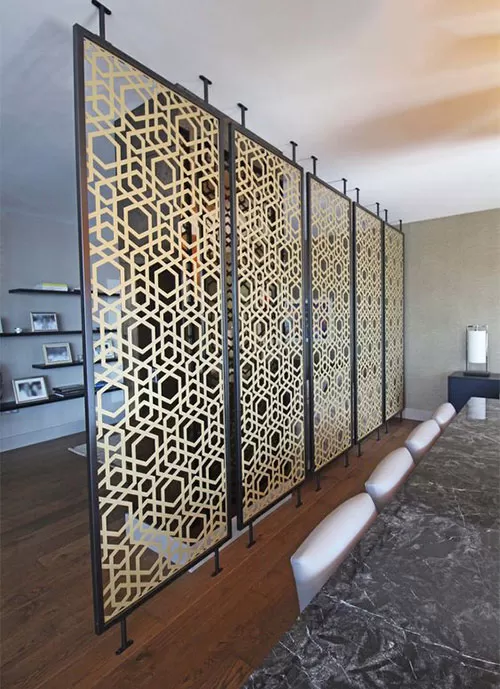
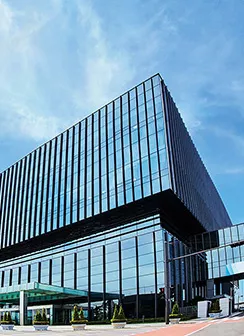
Decorative wire mesh is increasingly used in Middle East architectural projects, including luxury hotels, shopping malls, airports, cultural centers, and commercial façades. While decorative wire mesh delivers exceptional visual appeal and functional benefits, corrosion remains one of the biggest challenges in Middle East environments.

Extreme heat, coastal humidity, salt exposure, sandstorms, and air pollution can severely affect metal performance. This article explains how to avoid corrosion problems in Middle East decorative wire mesh projects by selecting the right materials, surface treatments, and manufacturing standards.
1. Why Corrosion Is a Serious Issue in the Middle East
The Middle East climate accelerates corrosion due to:
High temperatures and UV exposure
Coastal salt spray and humidity
Desert sand and airborne dust
Industrial pollution in urban zones
These factors can cause oxidation, discoloration, pitting, and coating failure if decorative wire mesh is not properly designed for the environment.
2. Select the Right Base Material First
Material choice is the foundation of corrosion resistance.
Stainless Steel (304 / 316)
Excellent corrosion resistance
Grade 316 is ideal for coastal areas
Long service life with minimal maintenance
Aluminum Alloy
Naturally corrosion-resistant
Lightweight and suitable for large panels
Performs well with anodizing or powder coating
Carbon Steel (Only with Advanced Protection)
Cost-effective option
Requires high-quality galvanizing or coating
Not recommended for coastal projects without extra protection
For Middle East projects, stainless steel and aluminum are the most reliable choices.
3. Choose Corrosion-Resistant Surface Treatments
Surface treatment plays a decisive role in long-term performance.
Recommended finishes for Middle East decorative wire mesh:
Hot-dip galvanizing (for structural mesh)
Anodized aluminum
High-performance powder coating
Brushed or polished stainless steel finish
High-quality coatings must be UV-resistant, salt-resistant, and temperature-stable.
4. Consider Mesh Structure and Design
Mesh design directly affects corrosion risk.
Key design considerations:
Avoid sharp edges and welding slag
Ensure smooth wire intersections
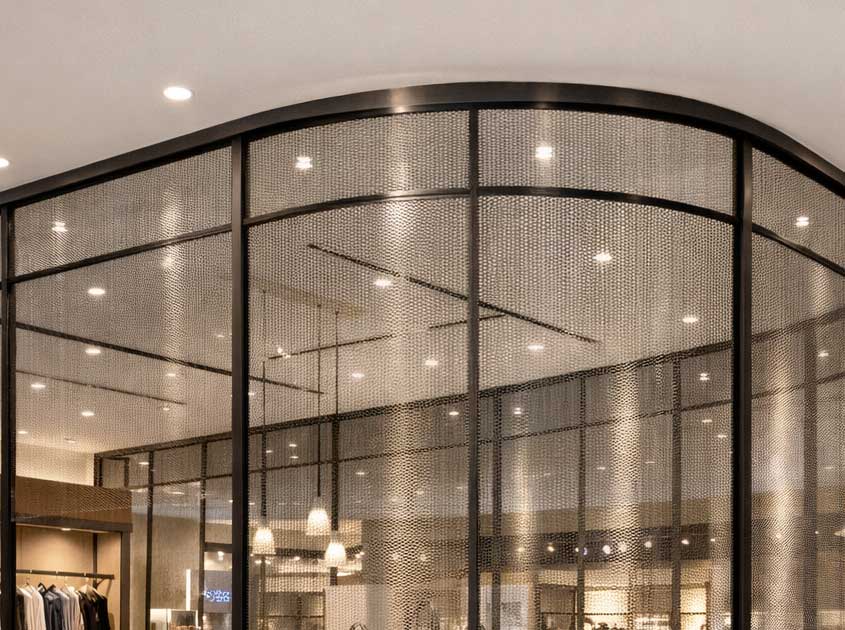
Maintain proper drainage and airflow
Woven decorative wire mesh typically performs better than welded mesh in corrosion-prone environments because it minimizes heat-affected zones.
5. Importance of Manufacturing Quality Control
Corrosion often starts from manufacturing defects.
A reliable manufacturer should provide:
Clean wire drawing and surface preparation
Consistent weaving or fabrication accuracy
Controlled welding parameters (if welded)
Pre-treatment before coating
Strict quality control prevents hidden defects that later lead to rust.
6. Installation Methods That Reduce Corrosion
Even high-quality mesh can corrode if installed incorrectly.
Best practices include:
Use stainless steel or corrosion-resistant fasteners
Avoid direct contact between dissimilar metals
Allow expansion gaps for thermal movement
Ensure proper drainage to prevent water accumulation
Correct installation protects both appearance and structural integrity.
7. Maintenance Strategies for Long-Term Durability
While decorative wire mesh is low-maintenance, periodic care extends its lifespan.
Recommended maintenance:
Regular cleaning to remove dust and salt
Inspection of coating condition
Prompt repair of scratches or surface damage
Preventive maintenance significantly reduces long-term costs.
8. Compliance with Middle East Project Standards
Many Middle East projects follow:
International architectural specifications
Fire resistance and safety standards
High aesthetic and durability requirements
Decorative wire mesh must meet both visual and technical expectations for high-profile developments.
9. Why Export Experience Matters
Manufacturers with Middle East project experience understand:
Regional climate challenges
Preferred materials and finishes
Packing and shipping requirements
Long-distance transportation protection
Export-experienced Chinese manufacturers can deliver decorative wire mesh that performs reliably in Middle East conditions.
10. Choosing the Right Supplier for Corrosion-Resistant Projects
When selecting a supplier, evaluate:
Material certifications
Surface treatment process

Previous Middle East references
Customization capability
Quality inspection reports
A reliable supplier helps you avoid corrosion problems before they occur, not after installation.
Conclusion
Avoiding corrosion in Middle East decorative wire mesh projects starts with correct material selection, advanced surface treatment, precise manufacturing, and professional installation. By addressing corrosion risks at every stage, decorative wire mesh can maintain its beauty, strength, and performance for decades—even in the harsh Middle East environment.
For architects, developers, and contractors, investing in corrosion-resistant decorative wire mesh is not just a design decision—it is a long-term asset protection strategy.
A Decorative Mesh Curtain for Modern Fireplaces - Metal Coil Drapery Fireplace Screen
Metal Decor Website, Customized Metal Decor Products Professionally
Hot Products
Become your professional partner in the architectural decorative mesh industry.


NAVIGATION
Contact Us
Phone:
+86 180 3457 7839
FAX:
+86 311 8961 3055
Address:
The Filter Industrial Part of Anping, Hebei, China