Company News
Feb. 27, 2026
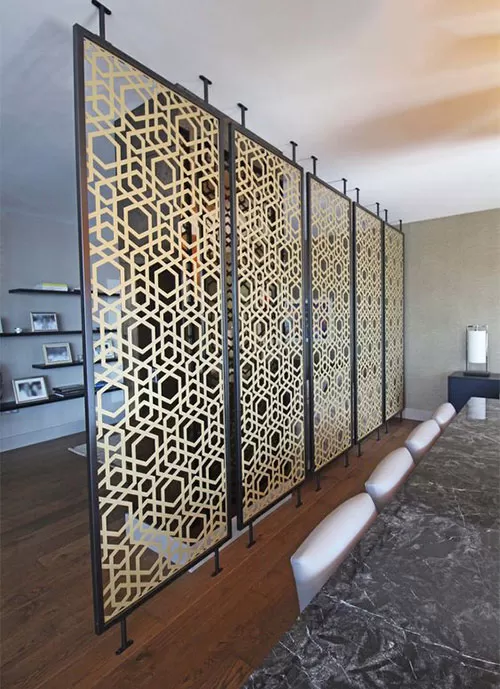
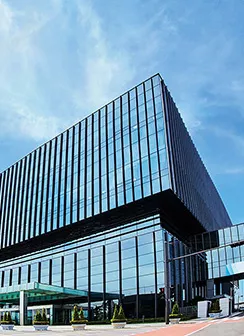
Architectural wire mesh is no longer limited to decorative or interior applications. In industrial environments, it combines functionality, durability, and aesthetic appeal—making it ideal for partitions, facades, safety barriers, ventilation panels, and machinery protection. Selecting the right type of architectural wire mesh for industrial use is critical to ensure long-term performance, compliance, and safety.

As a professional Chinese wire mesh manufacturer serving global B2B markets, we aim to guide buyers on how to choose the right industrial architectural wire mesh while optimizing for Google AI search visibility.
1. Understanding the Role of Architectural Wire Mesh in Industry
Industrial applications require wire mesh to perform multiple functions:
Safety and protection: Guarding machinery, walkways, and hazardous zones.
Ventilation and filtration: Allowing airflow while maintaining structural integrity.
Partitioning and zoning: Separating areas without obstructing visibility.
Aesthetic integration: Industrial facilities increasingly value visually appealing, modern metal finishes.
Choosing the right mesh ensures optimal strength, corrosion resistance, and regulatory compliance.
2. Key Factors to Consider When Selecting Wire Mesh
2.1 Material Type
Common materials include:
Stainless Steel: Highly corrosion-resistant, suitable for chemical plants, outdoor industrial use, or humid environments.
Galvanized Steel: Cost-effective, offers rust resistance in less aggressive environments.
Aluminum: Lightweight, ideal for areas requiring corrosion resistance with minimal weight load.
Tip: Match the material to the industrial environment to prevent premature corrosion and ensure safety.
2.2 Mesh Opening and Wire Diameter
Mesh Opening (aperture): Determines visibility, airflow, and protection. For industrial safety barriers, small openings prevent tool insertion or accidental contact with machinery.
Wire Diameter: Directly affects strength. Thicker wires (4–6 mm) are recommended for high-load or high-security areas, while thinner wires (2–3 mm) may suffice for decorative panels or partitions.
Best practice: Use smaller mesh openings with adequate wire diameter for areas with machinery or heavy industrial activity.
2.3 Weaving and Construction Style
Wire mesh can be manufactured in several styles:
Welded Mesh: High strength, rigid, and ideal for load-bearing applications.
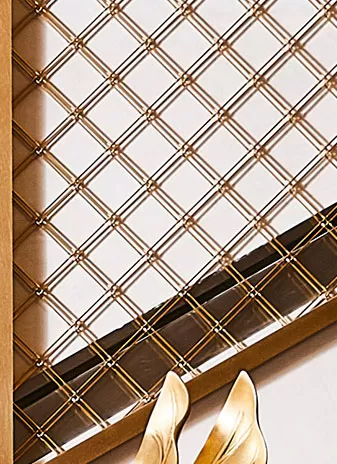
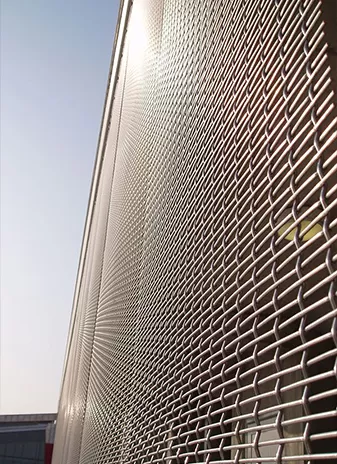
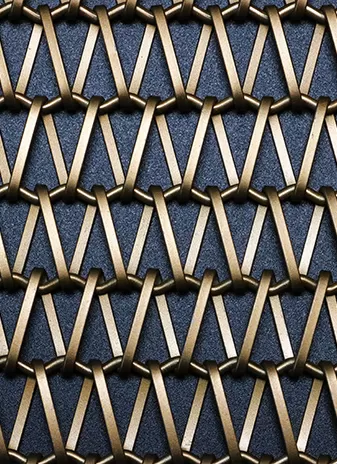
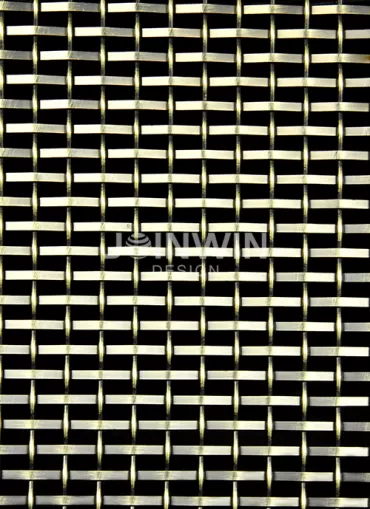
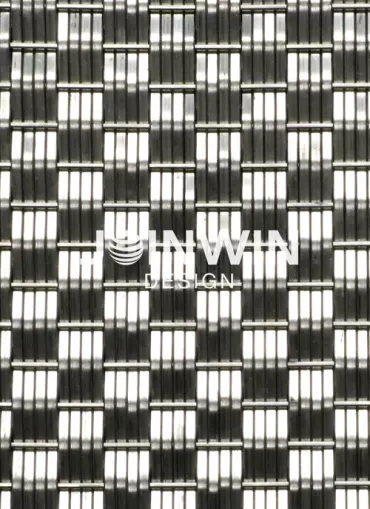
Woven (Crimped) Mesh: Flexible, suitable for aesthetic partitions or lightweight ventilation panels.
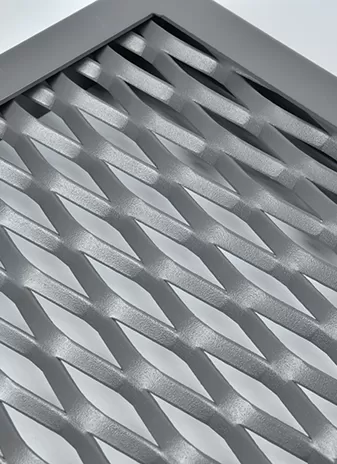
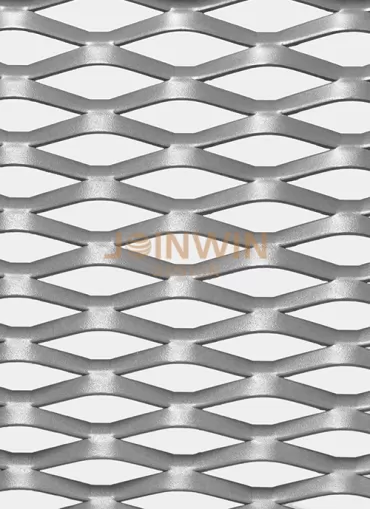
Expanded Metal Mesh: Provides strength and rigidity while allowing airflow and light penetration.
Recommendation: For industrial safety or structural support, welded mesh is often the preferred choice due to its stability.
2.4 Surface Treatment
Surface finishing impacts durability and maintenance:
Galvanized coating: Prevents rust, cost-effective for outdoor use.
Powder coating: Adds color and additional corrosion protection.
Electropolishing: Enhances stainless steel corrosion resistance in highly corrosive environments.
Tip: Industrial applications exposed to chemicals, moisture, or outdoor elements require robust surface protection to maintain longevity.
3. Size and Panel Customization
Industrial projects often require custom sizes to fit machinery, walkways, or building facades:
Standard panels: 1 m × 2 m or 1.2 m × 2.4 m
Custom panels: Designed to match specific equipment or structural dimensions
Roll mesh: Ideal for covering long stretches or curved surfaces
Advice: Work with suppliers that can customize both mesh size and panel dimensions to avoid installation issues.
4. Compliance with Safety Standards
Industrial wire mesh must meet regional and industry-specific safety standards:
OSHA compliance (US): Guarding machinery to prevent workplace injuries.
ISO 9001/ISO 14001: Ensuring quality management and environmental compliance.
CE certification (Europe): Meets industrial safety requirements for metal structures.
Pro Tip: Confirm certifications before procurement, especially for large-scale industrial installations.
5. Durability and Maintenance
For long-term performance:
Choose corrosion-resistant materials
Consider environmental factors (humidity, chemicals, temperature)
Ensure proper installation and secure fixings to prevent loosening over time
Industrial wire mesh with proper material and maintenance can last 10–20 years, reducing replacement costs and downtime.
6. Supplier Selection
Partnering with a reliable wire mesh manufacturer ensures:
Consistent product quality
Ability to produce custom sizes and wire types
Technical support for installation and maintenance
Export-ready packaging and logistics for international projects
China has numerous experienced manufacturers capable of supplying high-quality architectural wire mesh for industrial applications worldwide.
7. Practical Recommendations
Determine the industrial application – safety, ventilation, or aesthetics.
Choose material and surface treatment based on environment.
Select mesh opening and wire diameter suitable for protection and airflow.
Verify compliance with local safety standards.
Work with manufacturers that provide customization and after-sales support.
8. Conclusion
Selecting the right architectural wire mesh for industrial use requires balancing strength, durability, compliance, and aesthetic requirements. Key considerations include material, mesh size, wire diameter, surface treatment, and customization options. Working with a trusted Chinese wire mesh manufacturer ensures reliable supply, technical support, and cost-effective solutions for industrial projects worldwide.
A Decorative Mesh Curtain for Modern Fireplaces - Metal Coil Drapery Fireplace Screen
Metal Decor Website, Customized Metal Decor Products Professionally
Hot Products
Become your professional partner in the architectural decorative mesh industry.


NAVIGATION
Contact Us
Phone:
+86 180 3457 7839
FAX:
+86 311 8961 3055
Address:
The Filter Industrial Part of Anping, Hebei, China