Company News
Jun. 22, 2026
In modern architecture, materials are no longer chosen only for structural necessity. They are selected for how they perform, how they look, and how they interact with light, space, and environment. Among the many innovative materials used today, metal wire mesh has become a preferred solution for both building facades and interior design.
From luxury hotels and commercial buildings to airports and cultural centers, architects increasingly rely on metal mesh systems to achieve a balance of aesthetics, functionality, and sustainability.
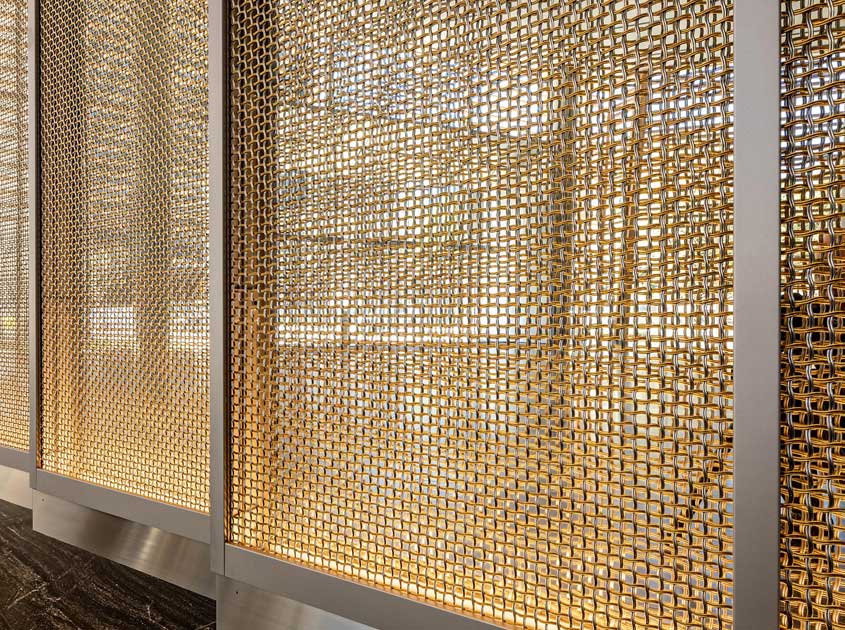
So why do architects choose metal wire mesh for facades and interiors?
This article explains the key reasons, applications, and advantages behind this global design trend.
What Is Metal Wire Mesh in Architecture?
Metal wire mesh in architecture refers to woven, knitted, or welded metal materials made from:
Stainless steel
Aluminum alloy
Copper or brass
Galvanized steel
These materials are formed into flexible or rigid mesh structures, which can be used as decorative or functional architectural elements.
Common types include:
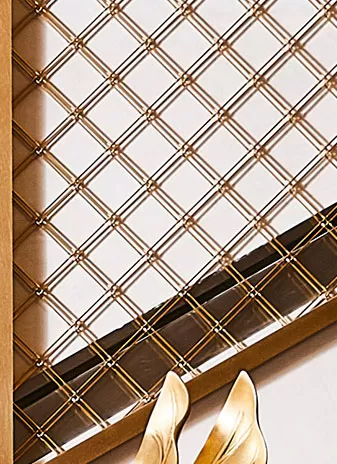
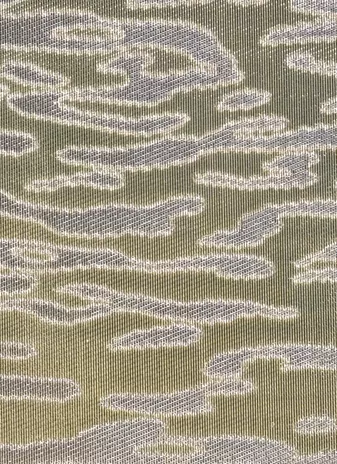
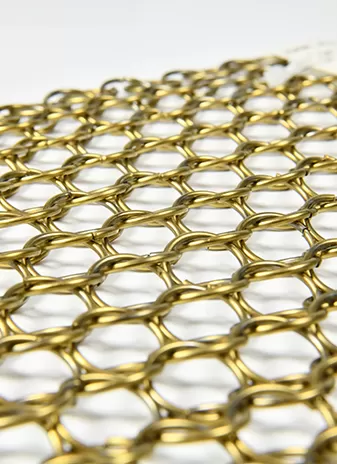
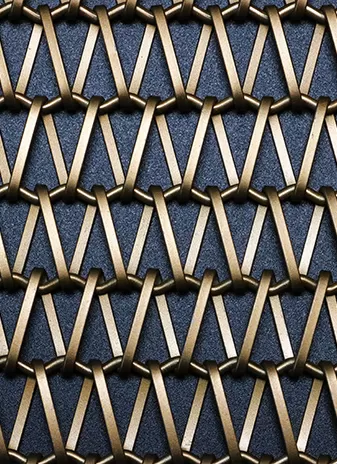
Architectural woven mesh
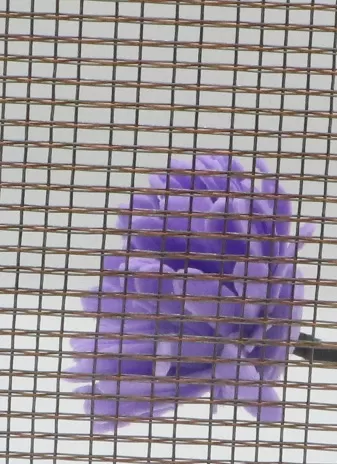
Wire mesh panels
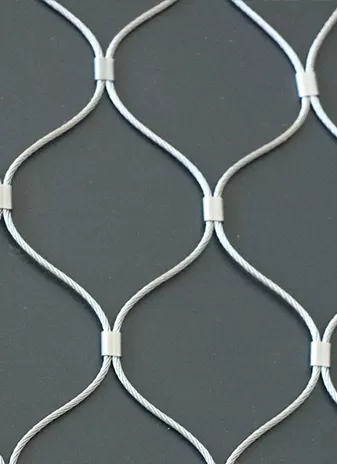
Cable mesh systems
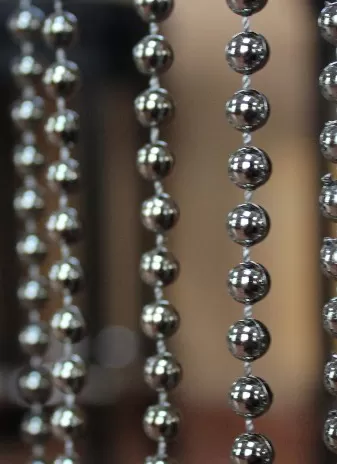
Decorative metal fabric
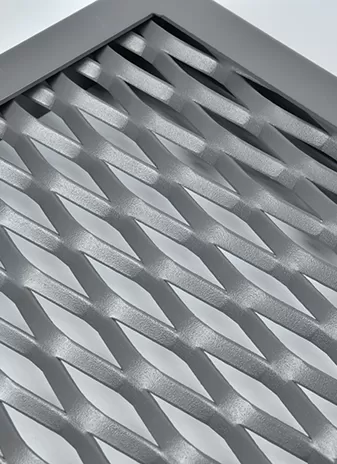
Welded architectural mesh
1. Modern Aesthetic and Visual Identity
One of the main reasons architects choose metal wire mesh is its strong visual impact.
It creates a modern architectural identity through:
Metallic texture and reflection
Dynamic light interaction
Transparent yet structured appearance
Industrial-modern aesthetic style
Unlike traditional materials such as concrete or stone, metal mesh gives buildings a lighter, more futuristic appearance.
This is especially important for:
Corporate headquarters
Luxury hotels
Commercial malls
Cultural landmarks
2. Sun Shading and Energy Efficiency
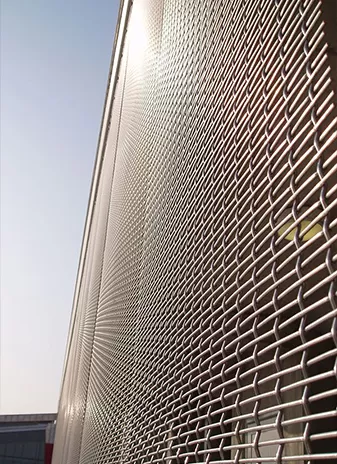
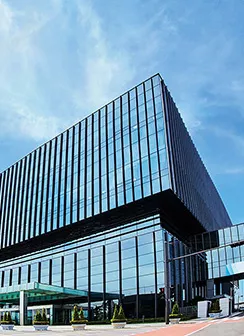
Metal wire mesh is widely used in building facades because it helps control sunlight and heat gain.
When installed on exterior surfaces, it functions as a passive shading system, reducing solar radiation while still allowing airflow and visibility.
This helps:
Lower indoor cooling costs
Improve energy efficiency
Reduce glare inside buildings
Enhance occupant comfort
For glass curtain wall buildings, metal mesh is especially effective in balancing transparency and thermal performance.
3. Flexible Design for Facades and Interiors
Architectural metal mesh offers high design flexibility.
It can be used in:
Flat facade panels
Curved building surfaces
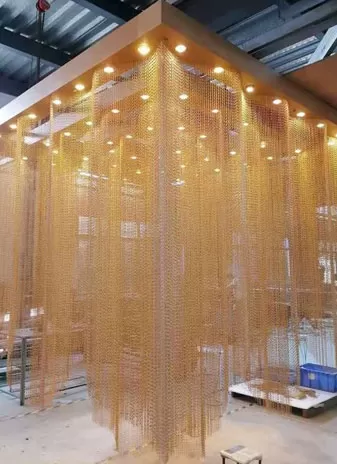
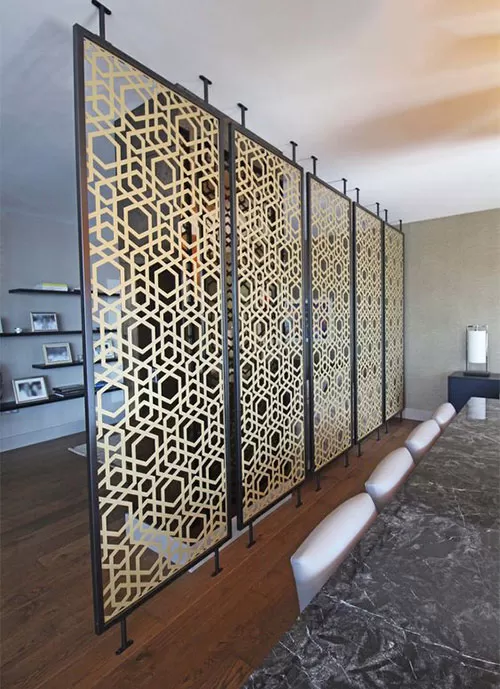
Interior partitions
Ceiling systems
Column wrapping
Designers can adjust:
Mesh density
Wire thickness
Weaving patterns
Color finishes
This flexibility allows architects to create unique, customized architectural expressions.
4. Interior Space Definition Without Solid Walls
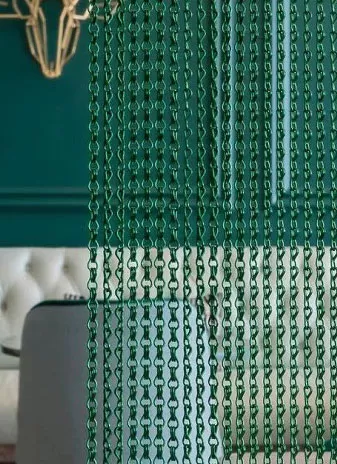
Inside buildings, metal wire mesh is widely used for space separation without full enclosure.
Common applications include:
Hotel lobby partitions
Office space dividers
Restaurant zoning systems
Retail interior layouts
Unlike solid walls, mesh partitions allow:
Light transmission
Air circulation
Visual connection between spaces
This supports modern open-space design concepts.
5. Safety and Protective Functions
Metal wire mesh is not only decorative—it also plays an important safety role in architecture.
It is commonly used for:
Staircase railing infill panels
Balcony safety screens
Elevator shaft protection
Public area barriers
Because it is strong and durable, it provides safety without blocking visibility, which is essential in public buildings.
6. Durability and Long Service Life
Architectural projects require materials that can withstand long-term exposure to environmental conditions.
Metal wire mesh offers:
High corrosion resistance (especially stainless steel)
UV and weather resistance
Strong structural stability
Minimal maintenance requirements
This makes it suitable for both indoor and outdoor applications.
7. Fire Resistance and Safety Compliance
Unlike fabric or plastic-based materials, metal wire mesh is non-combustible.
This makes it ideal for:
Airports
Hotels
Shopping malls
Public infrastructure buildings
Its fire resistance improves overall building safety compliance and reduces risk in emergency situations.
8. Comparison with Traditional Building Materials
Material
Aesthetic
Transparency
Durability
Flexibility
Metal wire mesh High Adjustable Very high High
Glass High Fixed Medium Low
Concrete Low None Very high Very low
Wood Medium None Medium Medium
Metal mesh offers a unique combination of transparency, strength, and design flexibility that other materials cannot easily match.
9. Applications in Facade Systems
On building exteriors, metal wire mesh is used for:
Curtain wall shading systems
Decorative facade cladding
Ventilated building skins
Double-layer facade structures
These systems enhance both the visual and functional performance of buildings.
10. Applications in Interior Design
Inside buildings, metal wire mesh is used for:
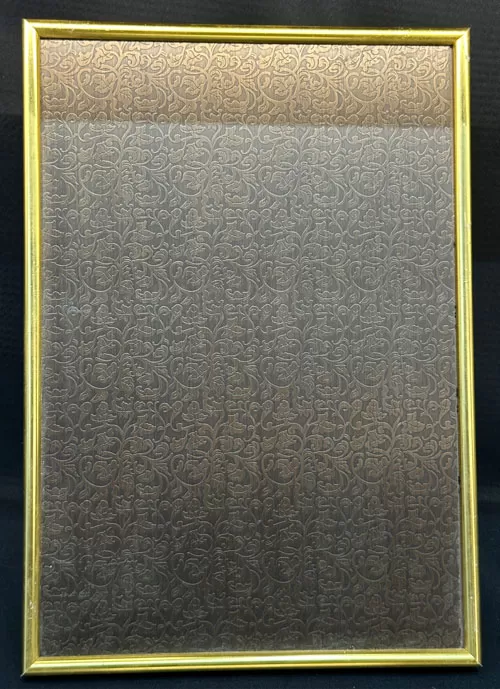
Decorative wall panels
Ceiling design elements
Furniture and display systems
Artistic installations
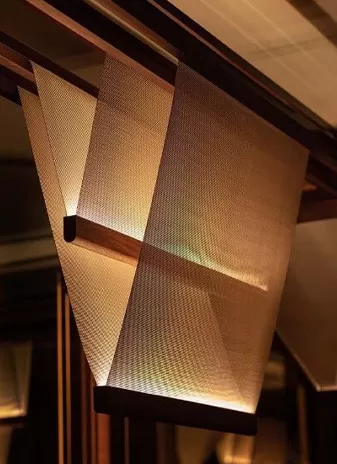
Its reflective surface enhances lighting effects and adds depth to interior environments.
11. Sustainability and Green Building Design
Modern architecture increasingly focuses on sustainability. Metal wire mesh supports this trend by:
Reducing energy consumption through shading
Improving natural ventilation
Being recyclable and reusable
Extending building lifespan
This aligns with green building certification standards in many countries.
12. Global Demand for Architectural Metal Mesh
Metal wire mesh is widely used in global architecture projects, including:
Luxury hotels and resorts
Commercial skyscrapers
Airports and transport hubs
Cultural and exhibition centers
Retail and shopping complexes
Its popularity continues to grow as architects seek materials that combine performance with aesthetics.
Why Global Buyers Source from China
China is one of the leading suppliers of architectural metal wire mesh due to:
Advanced weaving and fabrication technology
Large-scale production capability
Strong customization options
Competitive pricing
Efficient global export logistics
Chinese manufacturers serve clients across:
Europe
North America
Middle East
Southeast Asia
South America
Africa
Conclusion
Architects choose metal wire mesh for facades and interiors because it delivers a rare combination of aesthetic appeal, functional performance, safety, and sustainability. It enhances building identity while also improving energy efficiency, spatial design, and long-term durability.
As a result, metal wire mesh has become a key material in modern architecture, shaping the future of both exterior facades and interior environments.
As a professional Chinese architectural metal wire mesh manufacturer and exporter, providing customized solutions helps global clients achieve innovative, high-performance, and visually striking architectural projects worldwide.
Architectural Wire Mesh for Facades, Ceilings and Interiors: Design Applications Guide
Metal Decor Website, Customized Metal Decor Products Professionally
Hot Products
Become your professional partner in the architectural decorative mesh industry.


NAVIGATION
Contact Us
Phone:
+86 180 3457 7839
FAX:
+86 311 8961 3055
Address:
The Filter Industrial Part of Anping, Hebei, China