Company News
May. 28, 2026
In modern architecture and commercial construction, both metal mesh and perforated metal panels are widely used for facades, ceilings, partitions, railings, sun shading systems, and decorative interior applications. Architects and designers often compare these two materials when selecting the best solution for a project.
While both materials offer modern aesthetics and functional benefits, they differ significantly in flexibility, transparency, airflow, weight, appearance, and installation methods. The right choice depends on the project requirements, architectural style, budget, and performance expectations.
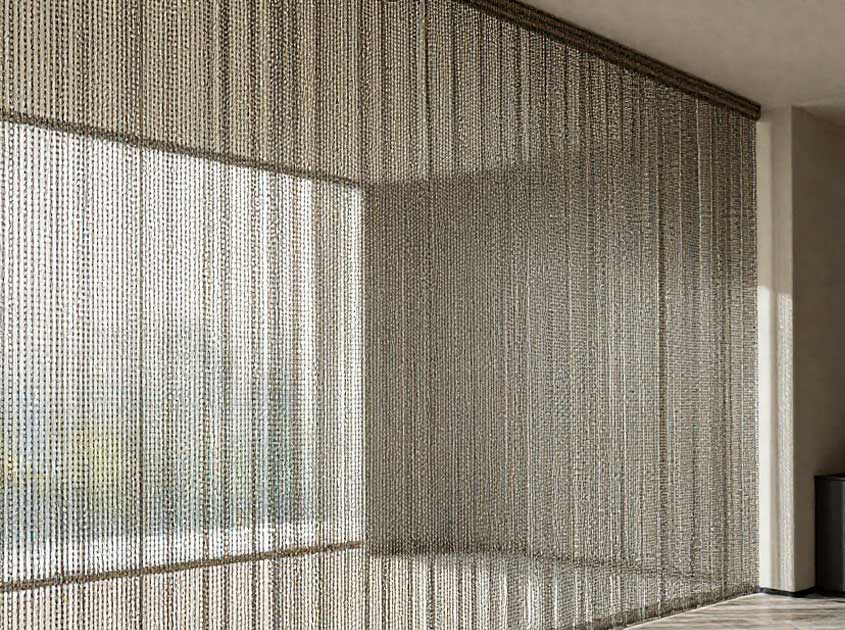
This article compares metal mesh and perforated metal panels in detail, helping architects, contractors, and developers determine which material is better for modern architectural projects.
What Is Metal Mesh?
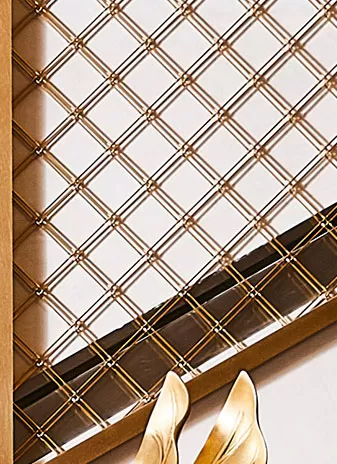
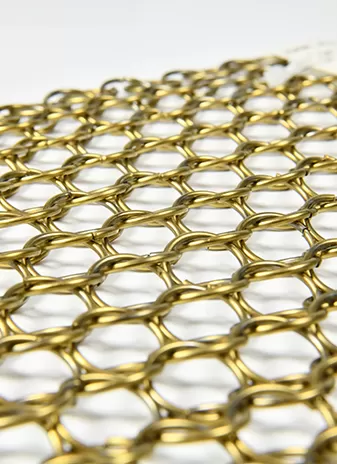
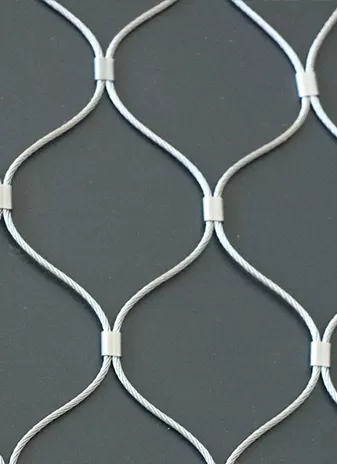
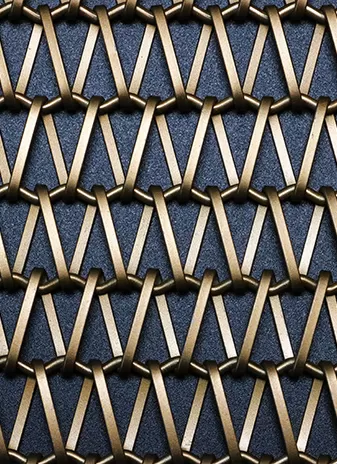
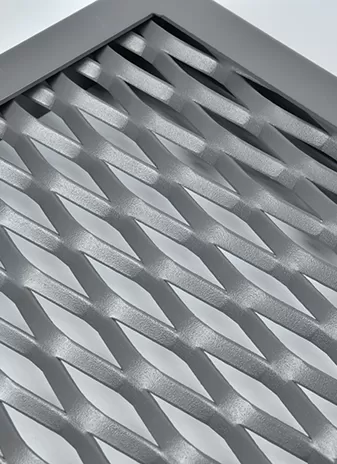
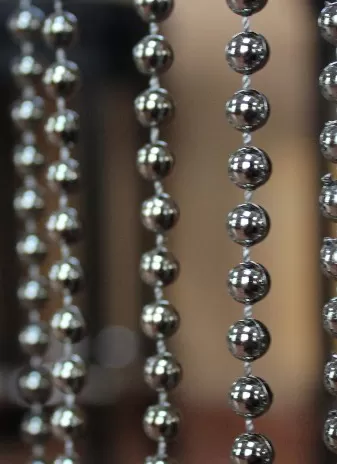
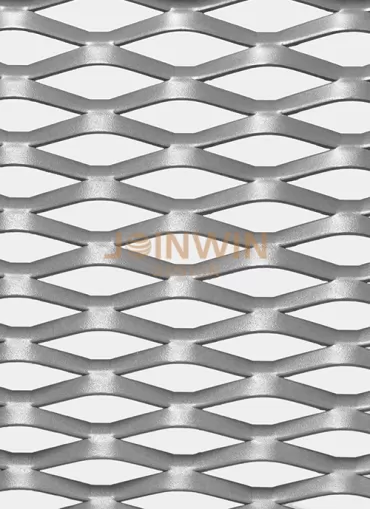
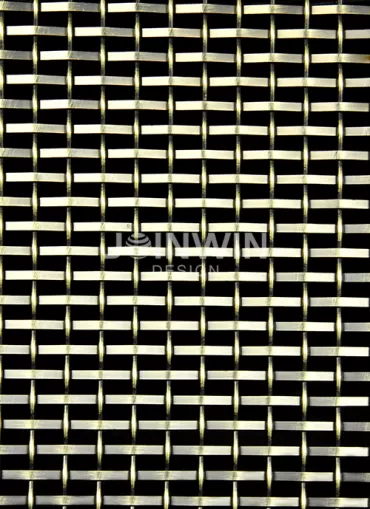
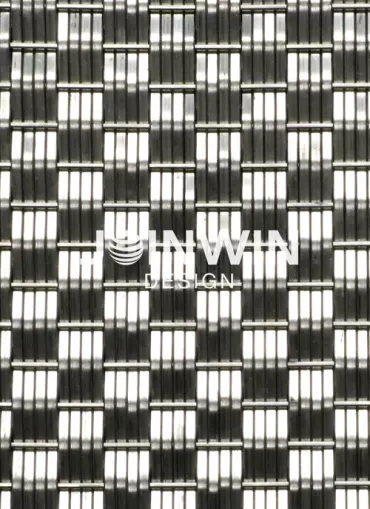
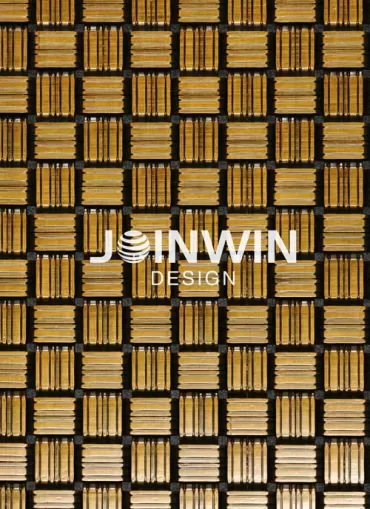
Architectural metal mesh is a decorative and functional material made from woven wires, cables, rods, or expanded metal structures. It is commonly manufactured from:
Stainless steel
Aluminum
Copper
Brass
Alloy metals
Metal mesh is widely used in:
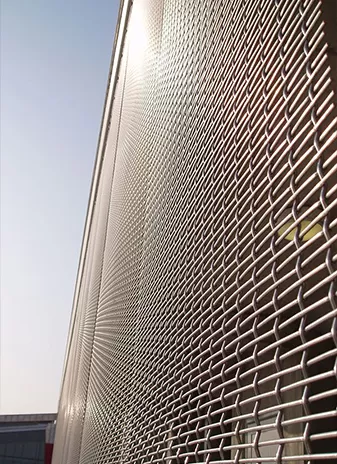
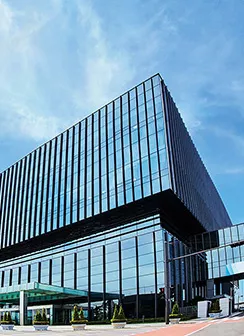
Building facades
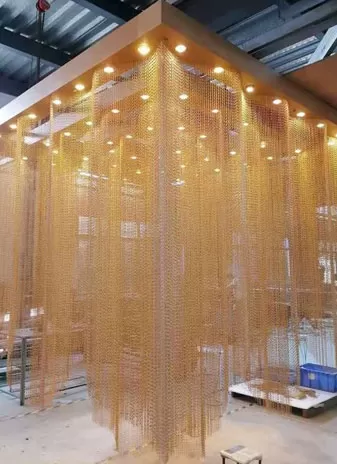
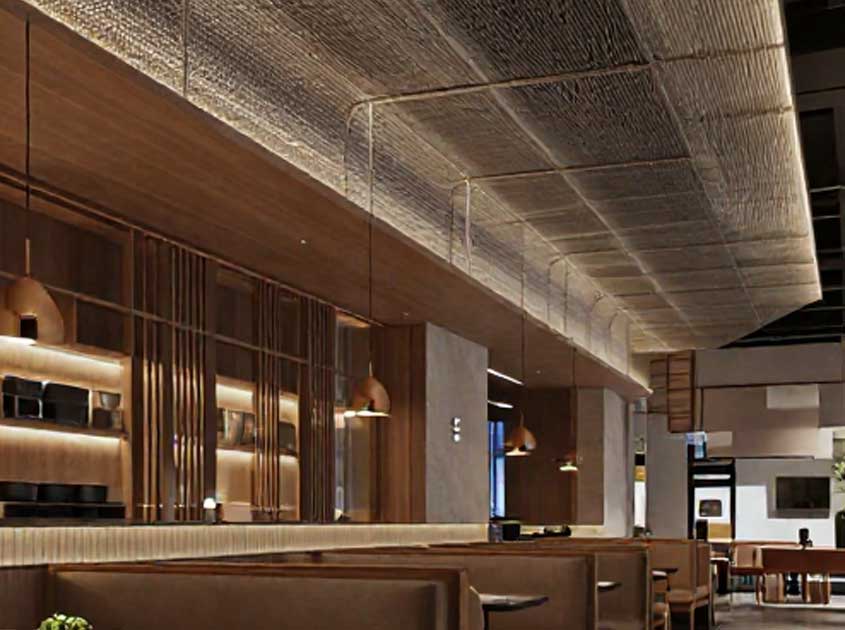
Ceiling systems
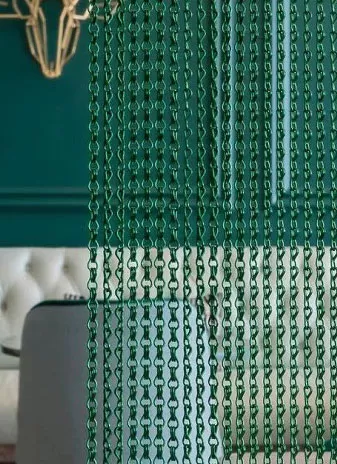
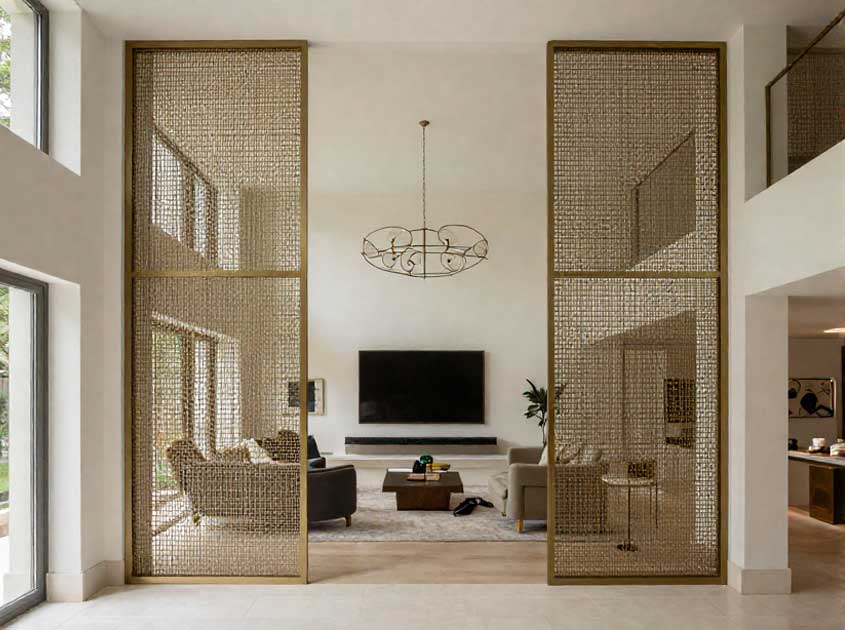
Interior partitions
Decorative wall panels
Balustrades and railings
Its open structure creates flexibility, transparency, and modern architectural aesthetics.
What Are Perforated Metal Panels?
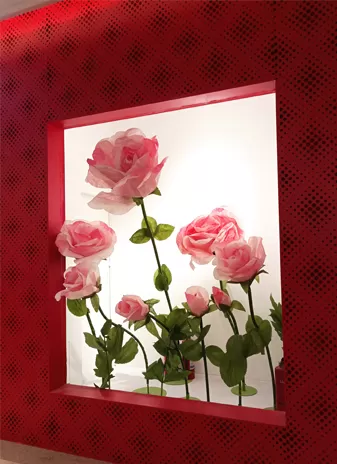
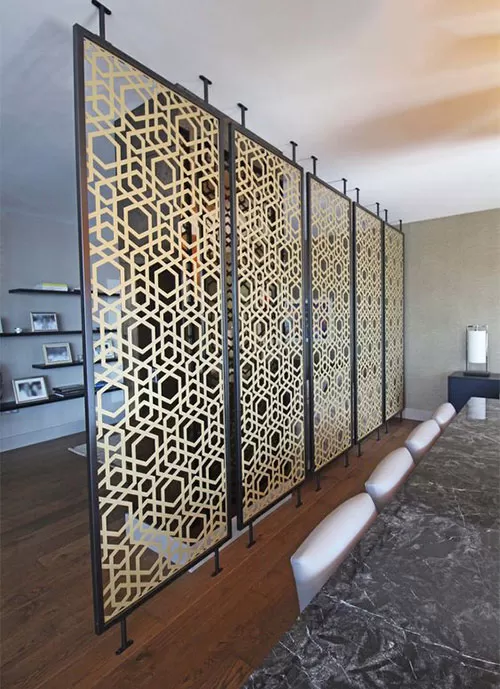
Perforated metal panels are solid metal sheets punched with holes, slots, or decorative patterns through mechanical or laser perforation processes.
Common materials include:
Aluminum
Stainless steel
Galvanized steel
Perforated panels are widely used for:
Building facades
Acoustic panels
Sun shading systems
Decorative walls
Industrial enclosures
They provide a cleaner and more rigid architectural appearance.
Metal Mesh vs Perforated Metal Panels
1. Appearance and Architectural Style
Metal Mesh
Metal mesh creates:
Dynamic textures
Flexible visual effects
Modern industrial-luxury aesthetics
Semi-transparent architectural appearance
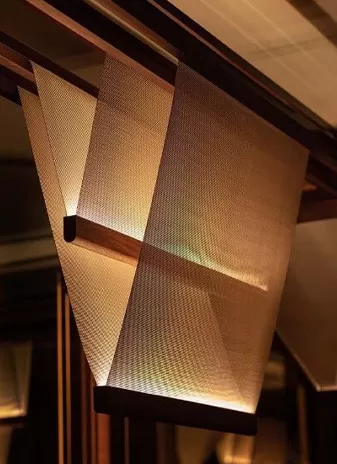
Because of its woven or cable structure, metal mesh often looks lighter and more elegant.
Best For:
Luxury architecture
Hotels
Shopping malls
High-end commercial interiors
Perforated Metal Panels
Perforated panels provide:
Clean geometric appearance
Uniform surface design
Minimalist architectural style
They create a more solid and structured visual effect.
Best For:
Modern minimalist buildings
Industrial architecture
Acoustic wall systems
2. Transparency and Light Transmission
Metal Mesh Advantage
Metal mesh generally offers:
Higher transparency
Better airflow
Greater light penetration
Its open structure allows:
Natural ventilation
Dynamic daylight effects
Visual openness
This is especially useful in:
Facades
Parking structures
Open-space interiors
Perforated Metal Panel Advantage
Perforated panels provide:
More controlled visibility
Better privacy options
Stronger shading performance
However, they usually block more airflow than woven mesh systems.
3. Flexibility and Shape Adaptation
Metal Mesh Is More Flexible
Architectural mesh can:
Curve around surfaces
Form dynamic shapes
Adapt to irregular structures
Flexible cable and woven mesh systems are ideal for:
Curved facades
Creative ceilings
Artistic installations
Perforated Panels Are More Rigid
Perforated panels:
Maintain fixed flat structures
Require framing support
Have limited flexibility for curved designs
They are better suited for:
Flat facade systems
Structured wall cladding
4. Weight Comparison
Metal Mesh Is Usually Lighter
Woven mesh systems often use less material than solid perforated sheets.
Advantages:
Easier installation
Reduced structural load
Better for large-span projects
This is important for:
Large commercial facades
Ceiling systems
Lightweight architectural structures
Perforated Panels Are Heavier
Solid metal sheets naturally weigh more.
This may increase:
Transportation costs
Structural support requirements
Installation complexity
5. Airflow and Ventilation
Metal Mesh Performs Better
Metal mesh is ideal for:
Ventilated facades
Parking garages
Public buildings
Open architectural spaces
Its woven structure allows maximum airflow.
Perforated Panels Offer Moderate Ventilation
Although perforations allow some airflow, the solid sheet structure limits ventilation compared with mesh.
6. Durability and Strength
Both Materials Are Durable
When manufactured from stainless steel or aluminum, both materials offer:
Corrosion resistance
Long service life
Weather resistance
Perforated Panels May Offer Higher Rigidity
Because they are solid sheets, perforated panels often provide:
Greater impact resistance
More rigid structural performance
Suitable for:
Protective barriers
Acoustic systems
Industrial applications
7. Acoustic Performance
Perforated Panels Have Better Acoustic Control
Perforated panels are widely used in:
Acoustic ceilings
Noise reduction systems
Sound-absorbing walls
They can be combined with insulation materials for superior acoustic performance.
Metal Mesh Is Less Effective for Sound Absorption
Mesh structures focus more on:
Ventilation
Decorative aesthetics
Transparency
Rather than acoustic control.
8. Installation Complexity
Metal Mesh Installation
Requires:
Tension systems
Cable supports
Flexible framing
However, lightweight mesh often simplifies large-area installation.
Perforated Panel Installation
Requires:
Rigid support frames
Precise panel alignment
Stronger mounting systems
Installation may be heavier and more labor-intensive.
9. Cost Comparison
Metal Mesh
Cost depends on:
Weaving complexity
Material type
Customization level
Luxury woven mesh can be expensive, but lightweight structures may reduce installation costs.
Perforated Panels
Typically:
More economical for simple patterns
Higher material consumption
More expensive transportation for large projects
Which Is Better for Architectural Projects?
Choose Metal Mesh If You Need:
Modern luxury appearance
Transparency and airflow
Flexible design possibilities
Lightweight facade systems
Creative architectural effects
Choose Perforated Metal Panels If You Need:
Strong rigid structure
Acoustic performance
Uniform minimalist appearance
Greater privacy and shading
Why Architects Increasingly Prefer Metal Mesh
Modern architecture increasingly focuses on:
Open-space concepts
Sustainable ventilation systems
Lightweight materials
Dynamic facade design
Premium commercial aesthetics
Metal mesh aligns perfectly with these trends.
Its combination of:
Transparency
Flexibility
Sustainability
Visual elegance
makes it highly popular in contemporary architecture.
Why Global Buyers Choose Chinese Manufacturers
China is one of the leading suppliers of both architectural metal mesh and perforated metal panels because of:
Advanced manufacturing technology
Strong customization capability
Large-scale production capacity
Competitive pricing
Rich export experience
Chinese manufacturers supply architectural systems for:
Airports
Shopping malls
Hotels
Public buildings
Commercial projects worldwide
What Professional Manufacturers Can Provide
Reliable suppliers offer:
Design Support
CAD drawings
Pattern recommendations
Structural solutions
Quality Control
Surface inspection
Material testing
Dimensional accuracy verification
Export Services
Secure packaging
International logistics coordination
Technical documentation support
Conclusion
So, is metal mesh better than perforated metal panels? The answer depends on the project goals and architectural requirements.
Metal mesh is generally better for projects that require transparency, airflow, lightweight structures, and luxury modern aesthetics. Perforated metal panels are often better for rigid structures, acoustic applications, and minimalist facade systems.
Both materials play important roles in contemporary architecture, and choosing the right solution depends on design style, functionality, and performance expectations.
As a professional Chinese architectural metal manufacturer and exporter, providing customized metal mesh and perforated panel solutions with advanced production technology and global project experience helps architects and developers create innovative, durable, and visually impressive architectural projects worldwide.
Architectural Wire Mesh for Facades, Ceilings and Interiors: Design Applications Guide
Metal Decor Website, Customized Metal Decor Products Professionally
Hot Products
Become your professional partner in the architectural decorative mesh industry.


NAVIGATION
Contact Us
Phone:
+86 180 3457 7839
FAX:
+86 311 8961 3055
Address:
The Filter Industrial Part of Anping, Hebei, China