Company News
Aug. 24, 2026
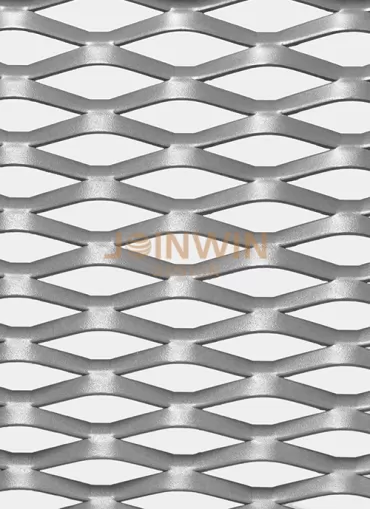
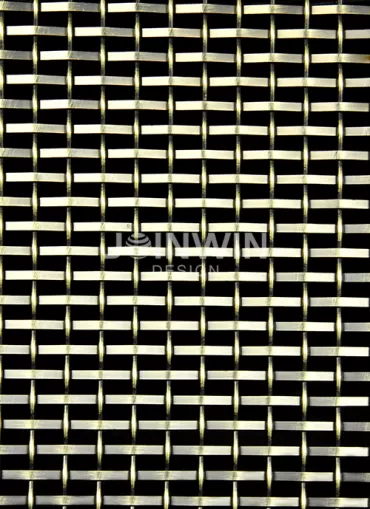
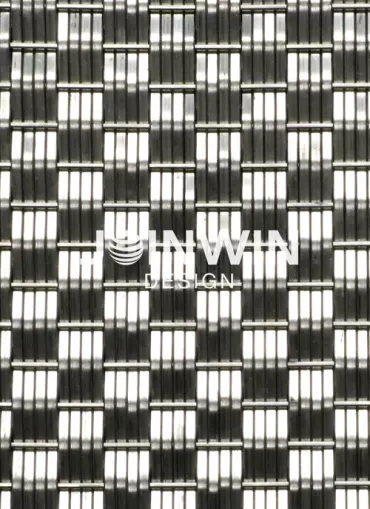
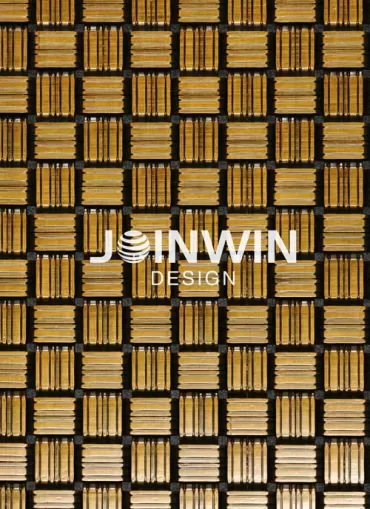
Architectural wire mesh has become an increasingly popular material for modern buildings because it combines visual appeal, functionality, durability, and design flexibility.
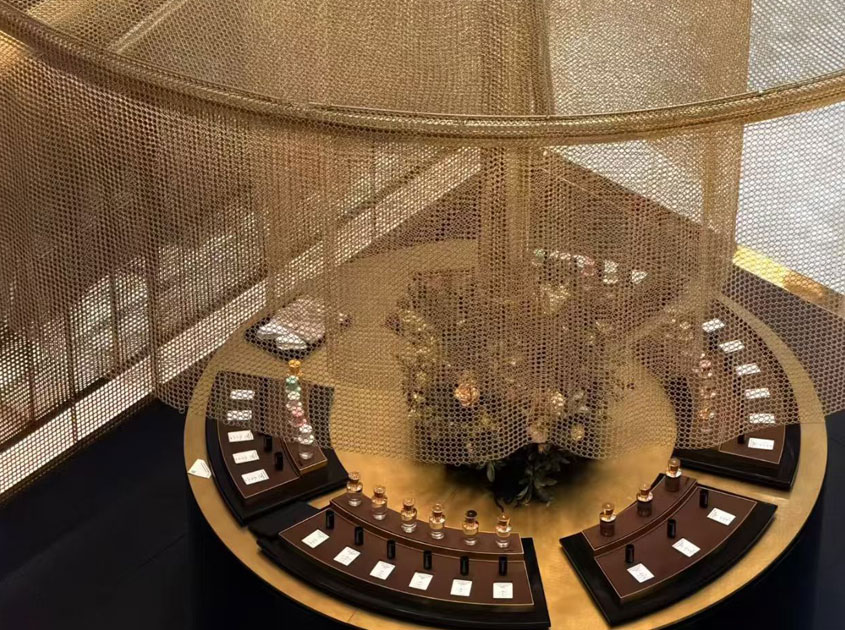
Unlike conventional building materials, architectural wire mesh can be used as both a decorative element and a functional architectural system. Depending on its structure and material, it can be applied to facades, ceilings, walls, partitions, elevator interiors, stairways, balustrades, room dividers, and sun-shading systems.
However, choosing the right architectural wire mesh is not simply about selecting the most attractive pattern. Building projects need to consider several factors, including:
Architectural design
Mesh type
Material
Wire diameter
Opening size
Transparency
Color and finish
Fire performance
Installation method
Indoor or outdoor environment
Project budget
This guide explains how architects, designers, contractors, and project buyers can select the right architectural wire mesh for different building applications.
What Is Architectural Wire Mesh?
Architectural wire mesh is a woven or braided metal mesh designed specifically for architectural and interior applications.
Unlike ordinary industrial wire mesh, architectural mesh places greater emphasis on:
Appearance
Pattern
Texture
Light transmission
Space division
Surface finish
Architectural integration
Common materials include:
Stainless steel
Aluminum
Brass
Copper
Bronze
Other metal alloys
Depending on the design, architectural wire mesh can create anything from a highly transparent surface to a relatively dense decorative screen.
What Should You Consider When Choosing Architectural Wire Mesh?
A practical selection process should consider these eight factors:
Application
Mesh structure
Material
Opening and transparency
Wire diameter
Surface finish
Installation system
Environmental conditions
The right combination can significantly change the appearance and performance of the finished building.
1. Start With the Architectural Application
The first question is:
Where will the architectural wire mesh be installed?
Different building areas require different mesh characteristics.
Application
Important Requirements
Suitable Mesh Direction
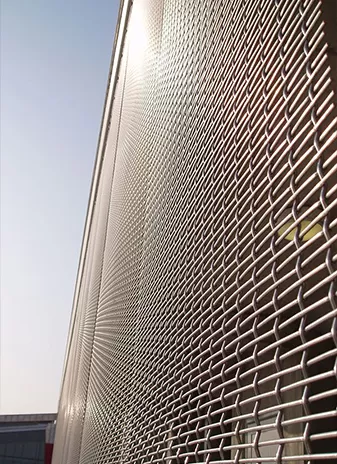
Building facade Weather resistance, appearance Stainless steel / aluminum
Interior wall Appearance, texture Stainless steel / brass
Ceiling Lightweight, visual effect Aluminum / stainless steel
Elevator interior Decorative appearance, durability Stainless steel / brass
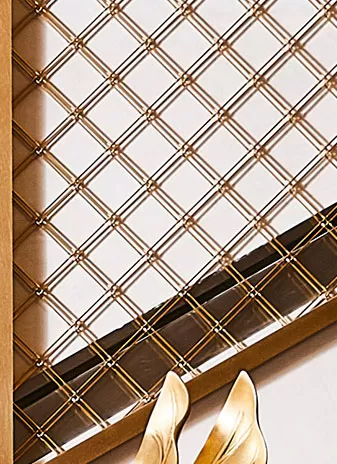
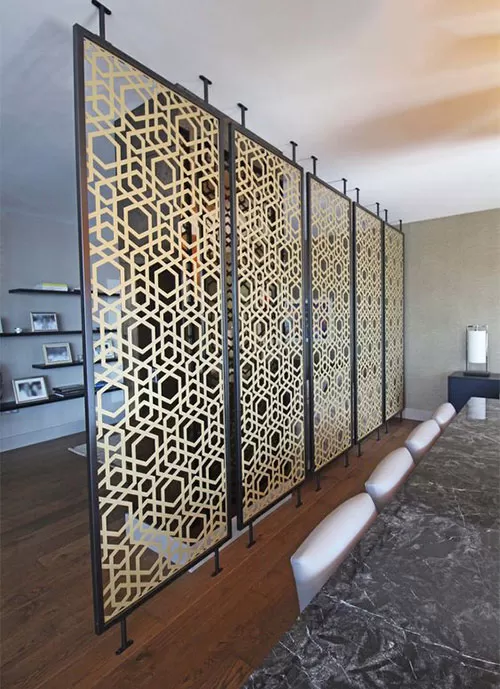
Room divider Transparency, flexibility Woven metal mesh
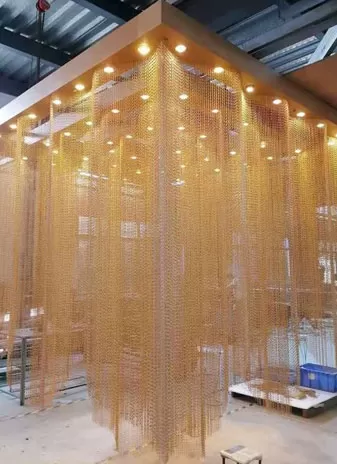
Curtain Flexibility, movement Metal chain / flexible mesh
Stair railing Strength, safety Strong woven mesh
Sun shading Light control, durability Dense architectural mesh
Storefront Visibility + decoration Open woven mesh
The application should determine the mesh specification—not the other way around.
2. Choose the Right Type of Architectural Wire Mesh
Architectural wire mesh is available in many structures.
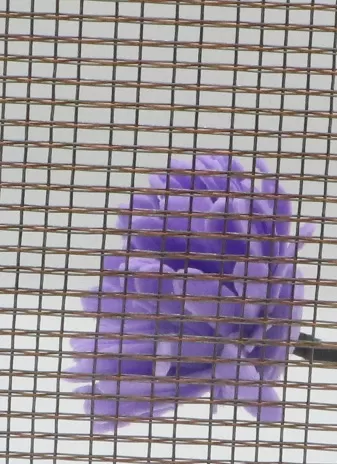
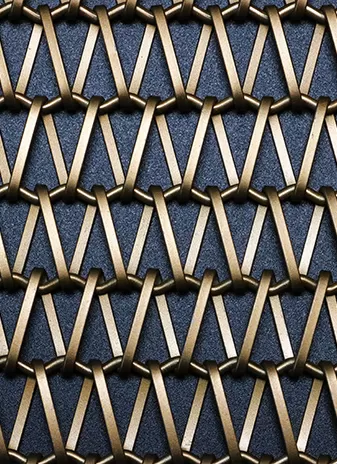
Woven Architectural Wire Mesh
Woven mesh is manufactured by interlacing metal wires.
It can provide:
Fine texture
Flexible appearance
Controlled transparency
Numerous patterns
It is commonly used for:
Interior partitions
Decorative walls
Ceilings
Facades
Elevator interiors
Architectural Metal Mesh Curtain
Metal mesh curtains are flexible and can be installed as hanging elements.
They are suitable for:
Room dividers
Doorways
Windows
Stage decoration
Interior partitions
Their flexibility allows them to move or fold when required.
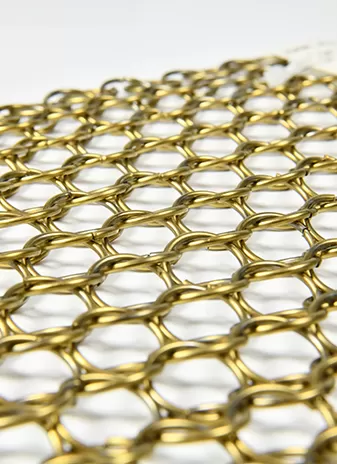
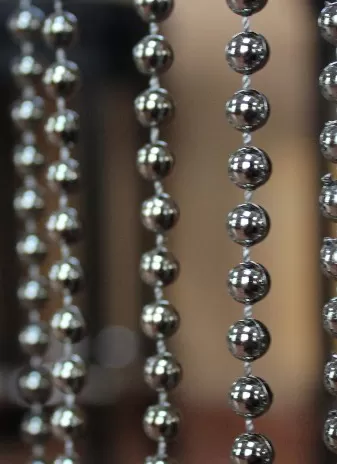
Metal Chain Decorative Curtain
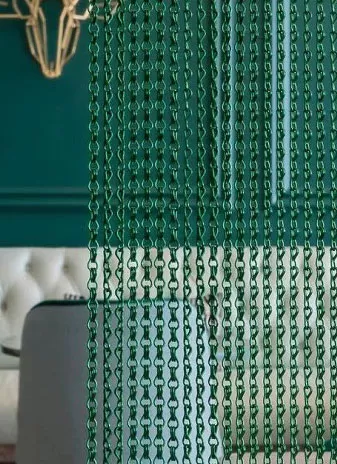
Metal chain curtains consist of interconnected metal chains or links.
They can be used for:
Door decoration
Room dividers
Retail interiors
Restaurant decoration
Commercial spaces
They are particularly suitable when a lightweight, flowing visual effect is desired.
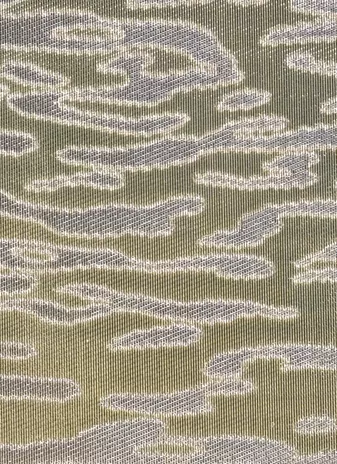
Decorative Woven Metal Fabric
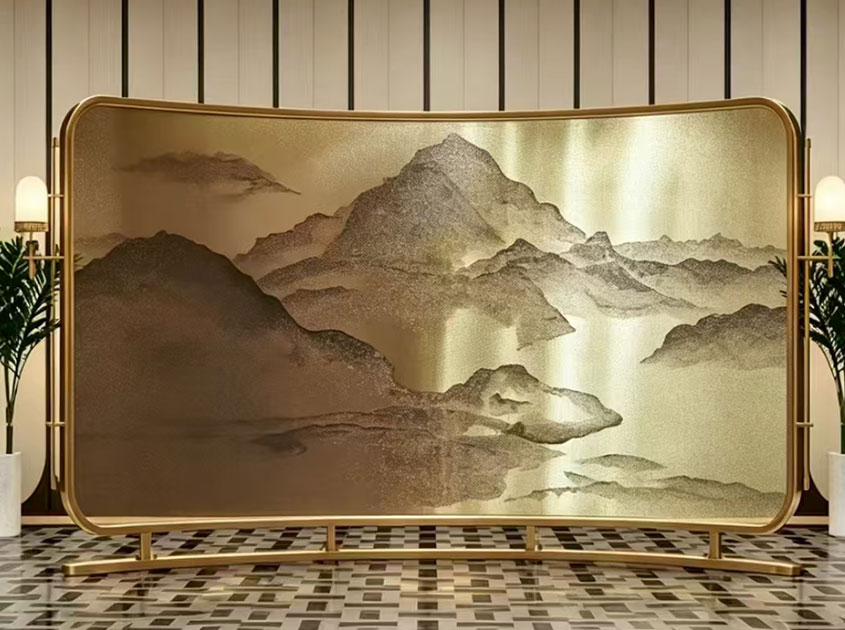
Woven metal fabric can create a more textile-like appearance while retaining the properties of metal.
It is suitable for:
Luxury interiors
Hotel decoration
Wall panels
Ceiling features
Elevator decoration
Different weave patterns can create significantly different visual effects.
3. Select the Right Metal Material
Material selection affects appearance, durability, weight, and cost.
Stainless Steel Architectural Wire Mesh
Stainless steel is one of the most widely used materials for architectural wire mesh.
Common grades include:
304 stainless steel
316 stainless steel
Advantages
High strength
Corrosion resistance
Long service life
Modern metallic appearance
Low maintenance
Suitable applications
Building facades
Elevator interiors
Interior partitions
Stairways
Hotel interiors
Commercial buildings
For outdoor or coastal projects, 316 stainless steel may be considered where greater corrosion resistance is required.
Aluminum Architectural Wire Mesh
Aluminum is significantly lighter than stainless steel.
Advantages include:
Low weight
Good corrosion resistance
Easy forming
Suitable for large decorative surfaces
It can be particularly useful for:
Ceilings
Decorative partitions
Large interior installations
Facade systems where weight is an important consideration
Aluminum can also be finished in different colors and surface treatments.
Brass Architectural Wire Mesh
Brass provides a warm, premium appearance.
Its golden or yellow-metal appearance is often associated with luxury interior design.
Common applications include:
Hotels
Restaurants
Retail stores
Elevator interiors
Feature walls
Decorative partitions
Brass is especially useful when the architectural concept requires a warmer alternative to silver-colored stainless steel.
Copper Architectural Wire Mesh
Copper provides a distinctive reddish metallic appearance.
Over time, copper can naturally change its surface appearance depending on the environment and finish.
It can be used for:
Feature walls
Decorative panels
Interior design
Artistic architectural installations
4. Consider Mesh Opening and Transparency
Transparency is one of the most important characteristics of architectural wire mesh.
A more open mesh allows:
More light transmission
Greater visibility
Better airflow
A lighter visual appearance
A denser mesh provides:
Greater visual screening
More privacy
Stronger decorative presence
Greater shading
For example:
Open Mesh
Suitable for:
Transparent partitions
Facades
Stair railings
Storefronts
Medium-Density Mesh
Suitable for:
Interior walls
Decorative partitions
Elevator interiors
Dense Mesh
Suitable for:
Privacy screens
Sun shading
Visual barriers
Feature walls
Therefore, architects should evaluate the desired light, visibility, and privacy level before selecting the mesh.
5. Consider Wire Diameter
Wire diameter affects both appearance and mechanical performance.
Fine Wire
Creates:
Delicate appearance
Higher visual transparency
Textile-like texture
Suitable for:
Interior decoration
Decorative partitions
Ceiling applications
Medium Wire
Provides a balance between:
Strength
Appearance
Transparency
Suitable for:
Facades
Partitions
Wall decoration
Heavy Wire
Provides:
Greater rigidity
Stronger visual presence
Higher mechanical strength
Suitable for:
Large facade installations
Stair systems
High-traffic areas
Heavy architectural applications
6. Consider the Color and Surface Finish
The same architectural mesh pattern can look completely different depending on its finish.
Common finishes include:
Natural stainless steel
Polished stainless steel
Brushed stainless steel
Gold
Bronze
Copper
Black
Champagne
Custom colors
For example:
Brushed stainless steel → modern and understated
Gold-colored finish → luxury and decorative
Black finish → contemporary and dramatic
Bronze finish → warm and classic
The surface finish should complement:
Flooring
Walls
Lighting
Furniture
Other architectural materials
7. Consider Indoor or Outdoor Installation
The environment is critical when selecting architectural wire mesh.
Indoor Applications
Indoor projects generally provide greater material flexibility.
Common options include:
Stainless steel
Aluminum
Brass
Copper
Applications:
Hotels
Shopping malls
Restaurants
Offices
Elevators
Outdoor Applications
Outdoor architectural mesh must withstand:
Rain
Humidity
UV exposure
Temperature changes
Air pollution
Stainless steel and appropriately finished aluminum are common choices.
For coastal environments, corrosion resistance should receive particular attention.
8. Consider Fire and Safety Requirements
Because architectural wire mesh is a metal-based material, it does not behave like conventional combustible textile curtains.
However, the complete architectural system still needs to comply with the applicable building and fire-safety requirements.
Architects should evaluate:
Mesh material
Surface coating
Supporting structure
Installation method
Surrounding materials
For projects with specific fire-rating requirements, the complete assembly should be evaluated according to the applicable local standards rather than assuming the mesh alone determines compliance.
9. Consider the Installation System
Choosing the mesh without considering installation can create problems later.
Architectural wire mesh may require:
Tracks
Frames
Rods
Tension systems
Cables
Hooks
Clamps
Edge reinforcement
For large facade installations, the supporting structure must be designed to handle:
Mesh weight
Wind loads
Tension
Building movement
The mesh supplier should ideally receive the basic project dimensions and installation requirements before production.
Architectural Wire Mesh for Different Building Applications
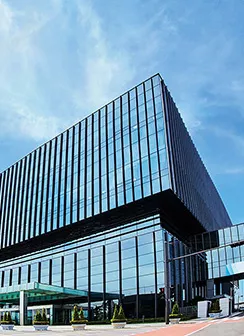
Facades
For building facades, consider:
Weather resistance
Mesh density
Wind conditions
Supporting structure
Long-term maintenance
Stainless steel and aluminum are common choices.
Architectural mesh can be used to create:
Decorative facade layers
Solar shading
Visual screens
Building envelopes
Elevator Interiors
Architectural wire mesh can create a premium appearance inside elevators.
Common materials include:
Stainless steel
Brass
Copper
Important factors include:
Surface finish
Mesh pattern
Cleaning requirements
Resistance to frequent contact
Fine woven mesh can create a sophisticated metallic texture without making the interior feel visually heavy.
Ceiling Systems
For ceilings, weight is particularly important.
Aluminum architectural mesh can be useful where lightweight construction is required.
Designers should consider:
Mesh weight
Lighting integration
Access requirements
Suspension system
Visual transparency
Interior Partitions
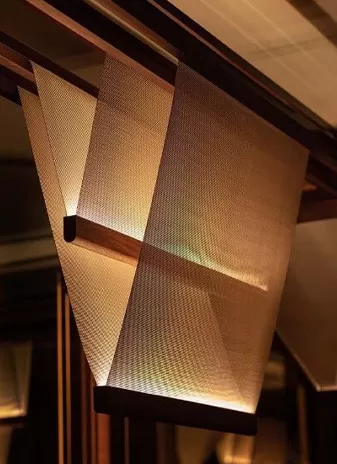
Architectural mesh can divide spaces without completely blocking light.
It can be used in:
Hotels
Restaurants
Offices
Retail stores
Public buildings
Compared with solid walls, mesh partitions can maintain a greater sense of openness.
Stairways and Balustrades
Architectural wire mesh can be installed as infill for:
Stair railings
Balustrades
Guardrails
For these applications, mechanical strength, attachment, and applicable safety requirements are particularly important.
Restaurants and Hotels
Architectural mesh is frequently used as a decorative element in hospitality interiors.
Applications include:
Room dividers
Decorative ceilings
Feature walls
Bar fronts
Reception areas
Elevator interiors
Brass, bronze, copper-colored, and gold-finished mesh can create a more luxurious visual effect.
How to Choose Architectural Wire Mesh Step by Step
A simple selection process can be:
Step 1 — Define the Application
Facade?
Ceiling?
Elevator?
Partition?
Balustrade?
Decorative wall?
Step 2 — Determine the Desired Visual Effect
Do you want:
High transparency?
Privacy?
Strong metallic texture?
A textile-like appearance?
A luxury finish?
Step 3 — Select the Material
Stainless steel → strength and corrosion resistance
Aluminum → lightweight construction
Brass → warm luxury appearance
Copper → distinctive metallic character
Step 4 — Select the Mesh Density
Determine:
Opening size
Wire diameter
Openness
Light transmission
Visibility
Step 5 — Select the Finish
Consider:
Natural metallic finish
Brushed finish
Polished finish
Gold
Bronze
Black
Custom finish
Step 6 — Confirm Installation
Determine whether the project requires:
Track system
Frame
Cable
Rod
Tension system
Custom edge treatment
Step 7 — Request Samples
For architectural projects, requesting a physical sample is highly recommended.
The actual appearance can change depending on:
Lighting
Viewing angle
Mesh density
Surface finish
Background material
A sample allows the architect or designer to evaluate the mesh before placing a large order.
Architectural Wire Mesh Selection Table
Project Application
Recommended Material
Mesh Character
Key Consideration
Building facade Stainless steel / Aluminum Medium/open Weather + design
Elevator interior Stainless steel / Brass Fine/medium Appearance
Ceiling Aluminum / Stainless steel Open Weight + lighting
Room divider Stainless steel / Brass Open/medium Transparency
Decorative wall Brass / Copper / Stainless steel Fine/medium Finish
Stair infill Stainless steel Medium Strength + safety
Hotel interior Brass / Stainless steel Fine/medium Design
Outdoor screen Stainless steel / Aluminum Medium/dense Weather resistance
Sun shading Aluminum / Stainless steel Medium/dense Solar control
Common Mistakes When Choosing Architectural Wire Mesh
Choosing Only by Appearance
A mesh may look attractive in a showroom but perform poorly in the intended environment.
Always consider:
Material
Corrosion resistance
Weight
Installation
Project requirements
Ignoring Mesh Weight
Large architectural installations can involve substantial total mesh weight.
This affects:
Supporting structure
Installation equipment
Transportation
Project cost
Choosing the Wrong Transparency
A mesh that is too open may not provide enough privacy or shading.
A mesh that is too dense may make a space feel enclosed.
Ignoring Lighting
Architectural wire mesh interacts strongly with light.
The appearance can change under:
Natural daylight
Warm lighting
Cool lighting
Spotlighting
Backlighting
Always evaluate samples under the actual or simulated project lighting.
Selecting the Mesh Before the Installation System
Architectural mesh should be considered together with its fixing system.
The combination of:
Mesh + Edge Treatment + Supporting System
determines the final appearance and performance.
Why Choose Joinwin Architectural Wire Mesh?
Joinwin design supplies architectural woven and decorative metal mesh for architects, interior designers, contractors, distributors, and building projects.
Available materials include:
Stainless steel
Aluminum
Brass
Copper
Architectural mesh can be customized in:
Weave pattern
Wire diameter
Opening
Width
Length
Surface finish
Color
Edge treatment
Our architectural wire mesh can be used for:
Building facades
Elevator interiors
Ceilings
Room partitions
Decorative walls
Stairways
Hotel interiors
Commercial spaces
For project orders, samples can be evaluated before production so the architect and customer can confirm the mesh pattern, transparency, material, and finish.
Frequently Asked Questions
What is the best material for architectural wire mesh?
There is no single best material. Stainless steel is a strong all-around choice, aluminum is useful when low weight is important, while brass and copper are often selected for their distinctive decorative appearance.
Which architectural wire mesh is best for building facades?
Stainless steel and aluminum are commonly considered for facade applications because of their durability and suitability for outdoor environments. The final choice depends on the building design, climate, wind conditions, and supporting system.
Can architectural wire mesh be used outdoors?
Yes. Architectural mesh can be used for facades, sun screens, exterior partitions, and other outdoor applications when the material and surface finish are appropriate for the environment.
Is architectural wire mesh fire resistant?
Metal mesh itself is generally non-combustible, but the complete architectural system—including coatings, backing materials, supports, and installation—must meet the applicable project fire and building requirements.
Can architectural wire mesh be customized?
Yes. Architectural mesh can be customized in material, weave pattern, wire diameter, opening, dimensions, surface finish, color, and edge treatment.
Should I choose woven or chain-style architectural mesh?
Woven metal mesh is generally better when you need a continuous textile-like surface with controlled transparency. Chain-style decorative mesh is more suitable when you want a lightweight, flowing curtain effect.
Conclusion
Choosing the right architectural wire mesh requires balancing design, performance, material, transparency, durability, and installation requirements.
The most important selection factors are:
Application → Mesh Type → Material → Opening → Wire Diameter → Finish → Environment → Installation System
For exterior building applications, stainless steel and aluminum are often strong candidates. For luxury interiors, brass and copper can provide a warmer decorative effect. For partitions and curtains, the mesh density and flexibility become especially important.
Most importantly, architectural wire mesh should be treated as part of the complete architectural system, rather than as an isolated decorative material. The mesh, finish, supporting structure, fixing method, lighting, and surrounding materials all contribute to the final result.
Joinwin design provides customized architectural wire mesh solutions for building facades, interiors, elevators, ceilings, partitions, stairways, hotels, restaurants, and commercial projects.
Architectural Wire Mesh for Facades, Ceilings and Interiors: Design Applications Guide
Metal Decor Website, Customized Metal Decor Products Professionally
Hot Products
Become your professional partner in the architectural decorative mesh industry.


NAVIGATION
Contact Us
Phone:
+86 180 3457 7839
FAX:
+86 311 8961 3055
Address:
The Filter Industrial Part of Anping, Hebei, China