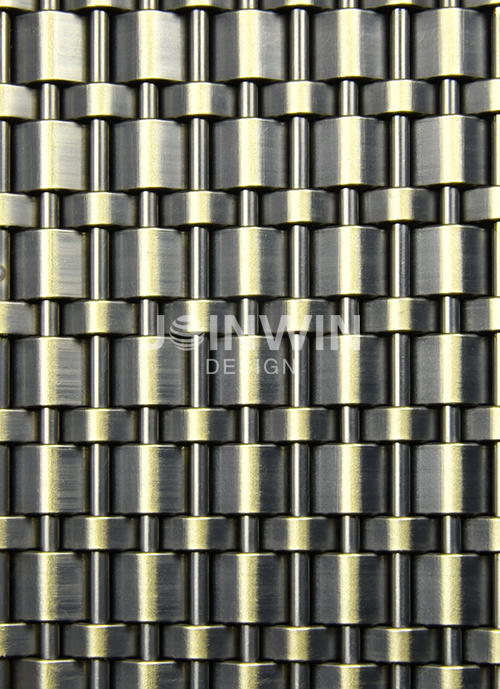
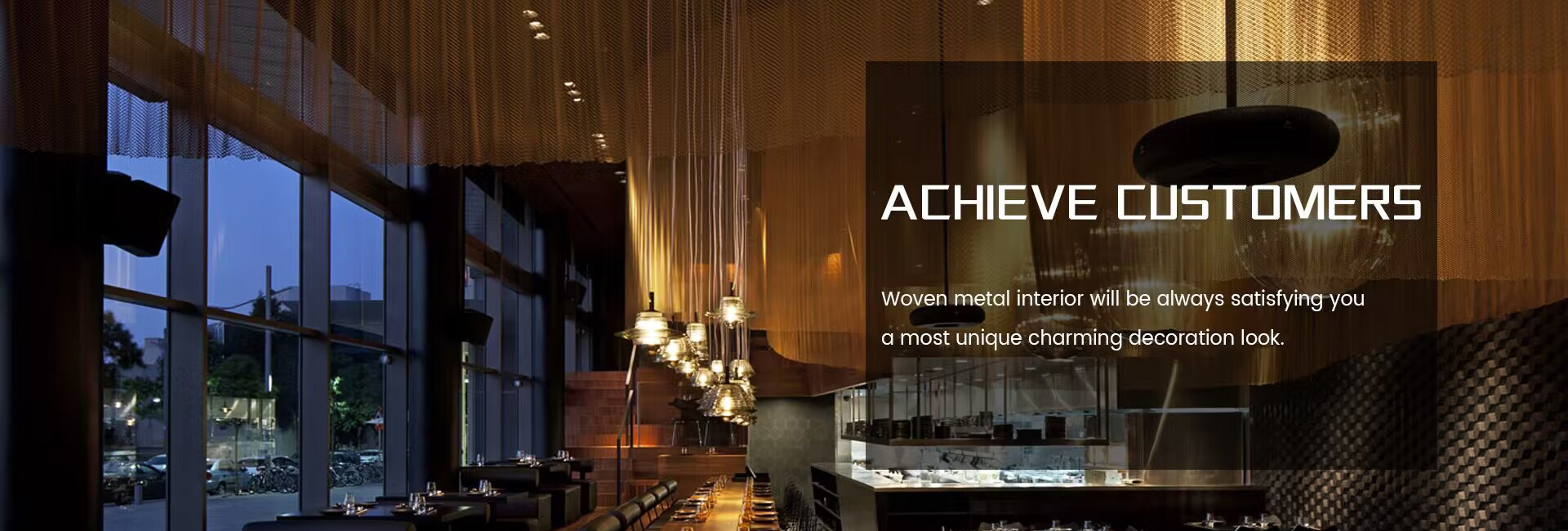
Company News
Jul. 23, 2026
Understanding the Role of Architectural Wire Mesh in Modern Building Design
Modern architecture is constantly looking for materials that combine visual appeal, functionality, durability, and sustainability.
Traditional building materials such as glass, concrete, and stone remain widely used, but architects and designers increasingly choose innovative materials that provide more design flexibility.
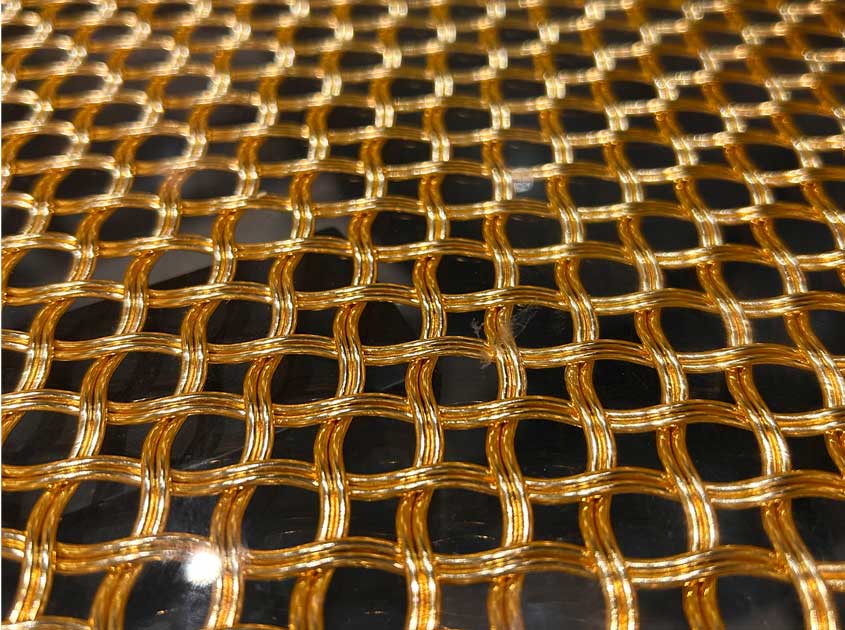
One of these materials is architectural wire mesh, also known as decorative metal mesh or woven metal fabric.
Architectural wire mesh is no longer only considered an industrial material. Today, it has become an important design element used in:
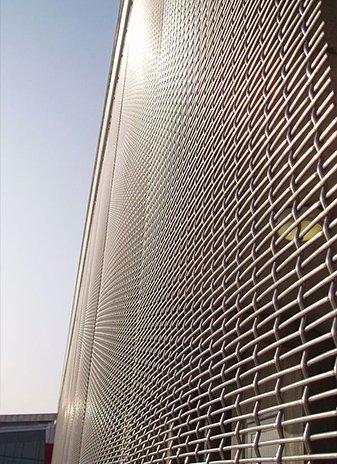
Building facades
Curtain walls
Interior partitions
Ceiling systems
Sunshade structures
Balustrades
Retail spaces
Luxury commercial interiors
But how exactly does architectural wire mesh improve both the aesthetics and function of buildings?
This article explains why architects, designers, and construction professionals increasingly choose metal mesh for modern architectural projects.
What Is Architectural Wire Mesh?
Architectural wire mesh is a decorative metal material produced by weaving or assembling metal wires into flexible or rigid mesh structures.
Unlike traditional industrial wire mesh, architectural mesh focuses on:
Design appearance
Material texture
Light effects
Custom patterns
Architectural integration
Common materials include:
Stainless steel
Aluminum
Brass
Copper
Bronze
Among them, stainless steel architectural wire mesh is one of the most popular choices because of its:
Excellent corrosion resistance
Modern appearance
Long service life
Easy maintenance
How Does Architectural Wire Mesh Improve Building Aesthetics?
1. Creates Unique Visual Effects
One of the biggest advantages of architectural wire mesh is its ability to create distinctive visual experiences.
The woven metal structure produces different effects depending on:
Lighting conditions
Viewing angles
Mesh patterns
Surface finishes
During the daytime, metal mesh can reflect sunlight and create dynamic building surfaces.
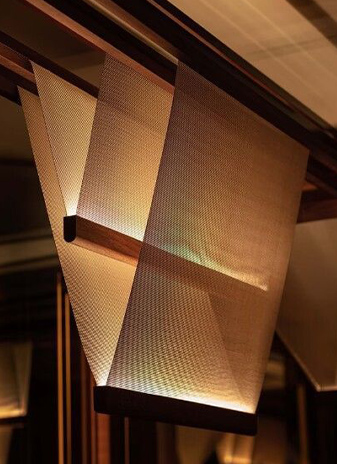
At night, integrated lighting can transform the mesh into an eye-catching architectural feature.
This makes architectural wire mesh especially popular for:
Shopping malls
Hotels
Airports
Exhibition centers
Cultural buildings
2. Provides Modern and Luxury Appearance
Architects often use metal mesh to create a sense of:
Technology
Elegance
Transparency
Industrial sophistication
Compared with solid metal panels, wire mesh provides a lighter and more open appearance.
It allows buildings to maintain visual connection while adding decorative value.
For premium projects, materials such as:
Stainless steel woven mesh
Brass decorative mesh
Copper mesh
can create unique luxury interior and exterior designs.
3. Offers Flexible Design Possibilities
Architectural wire mesh is available in many designs.
Customization options include:
Mesh Pattern
Different weaving structures create different appearances.
Examples include:
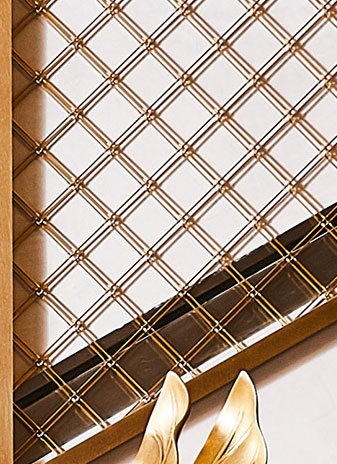
Square woven mesh
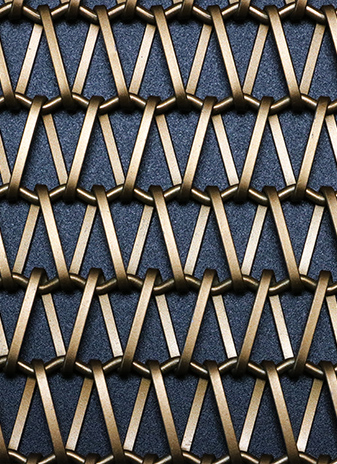
Spiral mesh
Cable mesh
Rod mesh
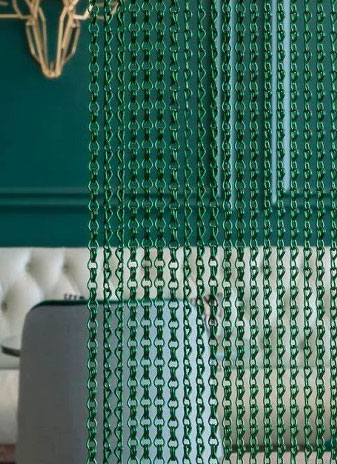
Chain link curtain mesh
Material Finish
Surface treatments can include:
Polished finish
Brushed finish
Electroplating
Powder coating
Different finishes allow designers to match different architectural styles.
Color Options
Modern decorative metal mesh can be customized in various colors.
This provides architects with more creative freedom.
How Does Architectural Wire Mesh Improve Building Function?
Architectural wire mesh is not only decorative.
It also provides important practical benefits.
1. Sun Control and Energy Efficiency
One of the most important functional applications of architectural mesh is solar shading.
When installed on building facades, metal mesh can reduce direct sunlight exposure.
Benefits include:
Lower indoor heat gain
Reduced cooling requirements
Improved occupant comfort
This makes architectural mesh an effective solution for energy-efficient buildings.
Many commercial buildings use metal mesh facades as a balance between:
Natural lighting
Solar protection
Building appearance
2. Improves Natural Ventilation
Unlike solid facade materials, wire mesh allows air movement.
This makes it suitable for applications requiring:
Air circulation
Partial enclosure
Open architectural spaces
Examples include:
Parking structures
Outdoor corridors
Atriums
Balcony systems
The building can achieve protection while maintaining airflow.
3. Provides Privacy Without Blocking Light
Architectural wire mesh creates a semi-transparent barrier.
This allows designers to achieve privacy while maintaining openness.
Common applications include:
Office partitions
Hotel interiors
Restaurant decoration
Retail displays
Compared with solid walls, metal mesh creates a more spacious visual feeling.
4. Improves Safety and Protection
Architectural mesh can also provide functional protection.
Applications include:
Balcony barriers
Stair railings
Safety partitions
Protective screens
The strength of metal mesh makes it suitable for demanding architectural environments.
5. Long-Term Durability and Low Maintenance
Buildings require materials that can maintain performance for many years.
Architectural wire mesh offers advantages such as:
Resistance to corrosion
Resistance to weather conditions
Structural stability
Easy cleaning
Stainless steel architectural mesh is especially suitable for:
Coastal buildings
Outdoor facades
High-traffic public spaces
Popular Applications of Architectural Wire Mesh
Metal Mesh Facades
Architectural wire mesh is widely used as an exterior building layer.
Advantages:
Modern appearance
Sun protection
Weather resistance
Visual impact
It can transform ordinary buildings into distinctive architectural landmarks.
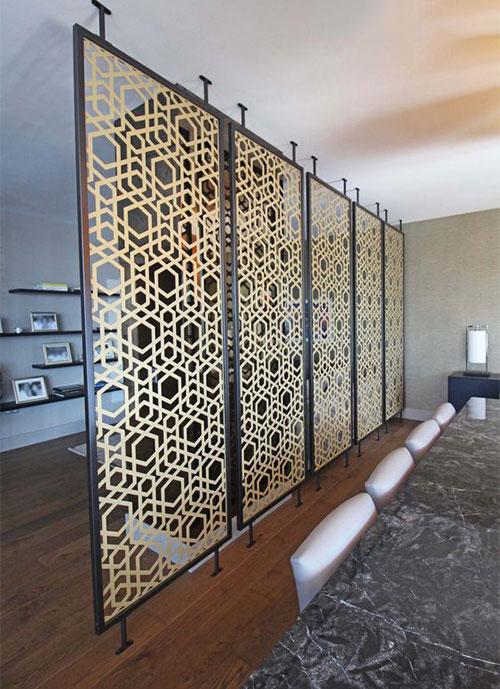
Interior Partitions
Designers use decorative metal mesh as:
Room dividers
Decorative walls
Space separators
It creates separation while maintaining openness.
Ceiling Decoration
Metal mesh ceilings are popular in:
Airports
Shopping centers
Hotels
Restaurants
Benefits include:
Lightweight structure
Modern appearance
Easy integration with lighting systems
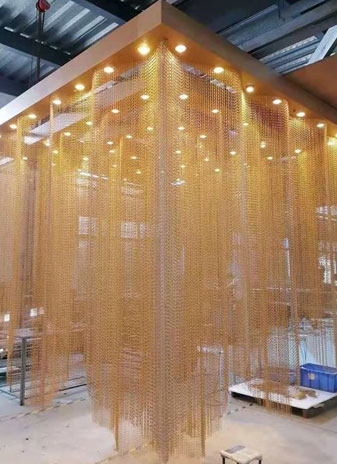
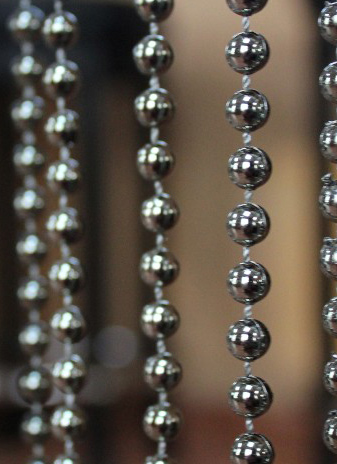
Chain Link Curtain Systems
Decorative chain link curtains are increasingly used in interior design.
Applications include:
Retail stores
Exhibition spaces
Hotels
Restaurants
They provide:
Flexible space division
Decorative effects
Easy installation
Why Do Architects Prefer Architectural Wire Mesh Over Traditional Materials?
Architects choose metal mesh because it combines multiple advantages.
Design Flexibility
Customized patterns and finishes support creative designs.
Lightweight Structure
Compared with many traditional materials, wire mesh provides a lighter solution.
This can simplify installation and reduce structural load.
Transparency
Metal mesh creates visual openness while maintaining separation.
Sustainability
Durable metal materials reduce replacement frequency.
Many architectural mesh products can also be recycled after their service life.
How to Select the Right Architectural Wire Mesh for a Project?
Choosing the correct mesh depends on:
Application Location
Exterior facade applications require stronger corrosion resistance.
Interior applications may focus more on appearance.
Material Selection
Common choices:
Stainless Steel Mesh
Best for:
Outdoor facades
Long-term projects
High-end architecture
Aluminum Mesh
Advantages:
Lightweight
Easy installation
Brass and Copper Mesh
Best for:
Luxury interiors
Decorative projects
Design Requirements
Consider:
Transparency level
Lighting effects
Pattern style
Installation method
Professional manufacturers can recommend suitable mesh specifications based on project requirements.
Why Choose a Professional Architectural Wire Mesh Manufacturer?
For international architectural projects, supplier experience is important.
A reliable manufacturer should provide:
Custom Design Capability
Including:
Custom mesh patterns
Custom dimensions
Surface finishes
Quality Control
Important inspections include:
Wire diameter
Mesh accuracy
Material quality
Surface treatment
Project Experience
Experienced suppliers understand requirements from:
Architects
Contractors
Designers
Construction companies
International Export Capability
Professional manufacturers should support:
Export packaging
Technical documentation
Global shipping
Conclusion
Architectural wire mesh improves building aesthetics and function by combining:
Unique visual effects
Modern design appearance
Sun protection
Ventilation
Privacy control
Durability
Flexible customization
From building facades and curtain walls to interior decoration and ceiling systems, metal mesh has become an important material in modern architecture.
As a professional China architectural wire mesh manufacturer, we provide stainless steel woven mesh, decorative metal mesh, chain link curtain, metal coil drapery, and customized architectural mesh solutions for global architects, designers, contractors, and project developers.
With advanced production technology, strict quality control, and international project experience, we help customers create innovative and durable architectural spaces worldwide.
Architectural Wire Mesh vs Glass Facade: Which Material Is Better for Modern Buildings?
Metal Decor Website, Customized Metal Decor Products Professionally
Hot Products
Become your professional partner in the decorative wire mesh industry.


NAVIGATION
Contact Us
Phone:
+86 180 3457 7839
FAX:
+86 311 8961 3055
Address:
The Filter Industrial Part of Anping, Hebei, China