Company News
Jul. 23, 2026
A Complete Comparison of Two Popular Architectural Facade Materials
Modern architecture continues to explore new ways to combine aesthetics, performance, and sustainability.
When designing commercial buildings, airports, hotels, cultural centers, and public spaces, architects often need to select facade materials that provide:
Attractive appearance
Natural lighting
Energy efficiency
Durability
Low maintenance
Design flexibility
Two popular choices in modern architecture are:
Architectural wire mesh facade
Glass facade systems
Both materials have unique advantages, but they create completely different architectural effects.
So, which material is better for modern buildings: architectural wire mesh or glass facade?
The answer depends on the project requirements, design goals, environmental conditions, and functional expectations.
This article compares architectural wire mesh and glass facades from several important aspects to help architects, contractors, and project owners make better decisions.
What Is Architectural Wire Mesh Facade?
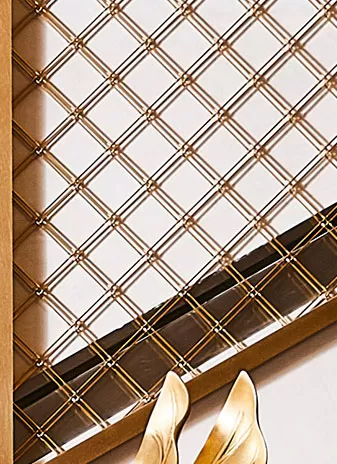
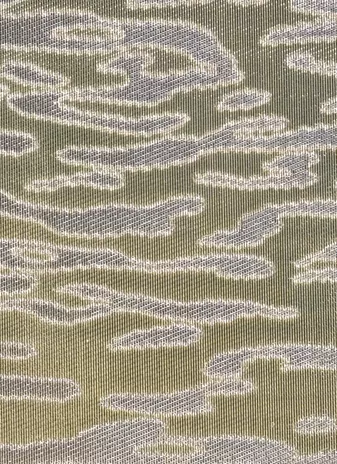
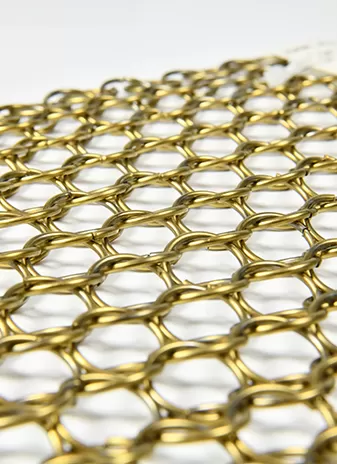
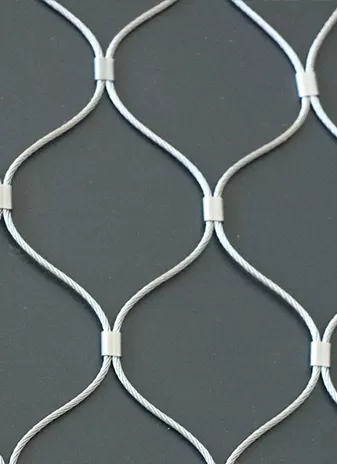
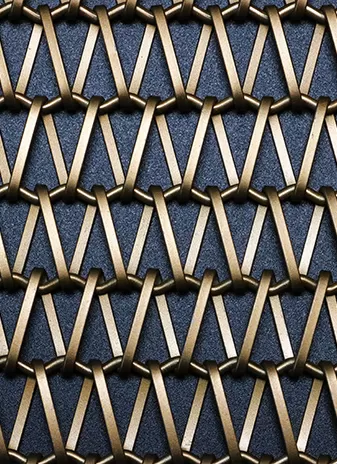
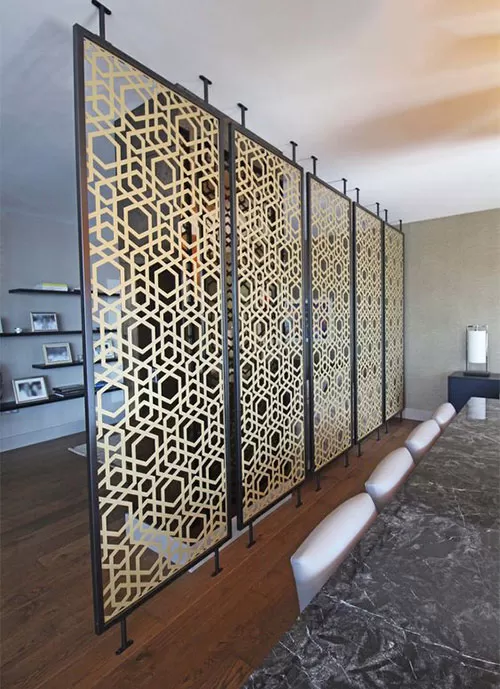
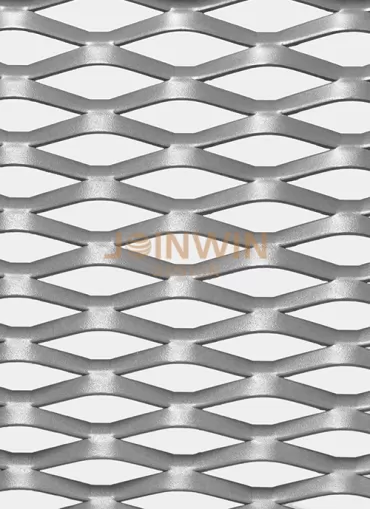
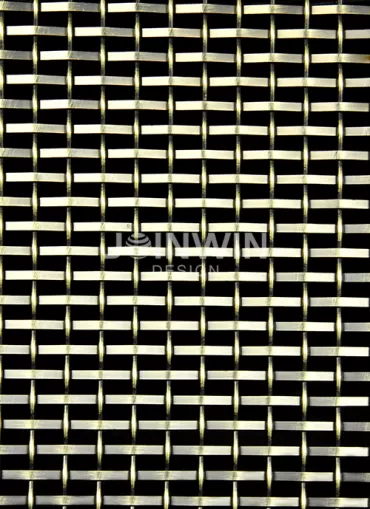
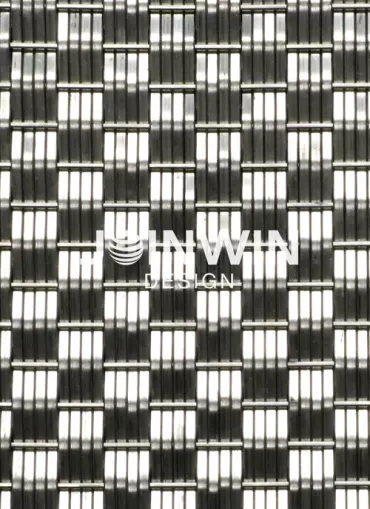
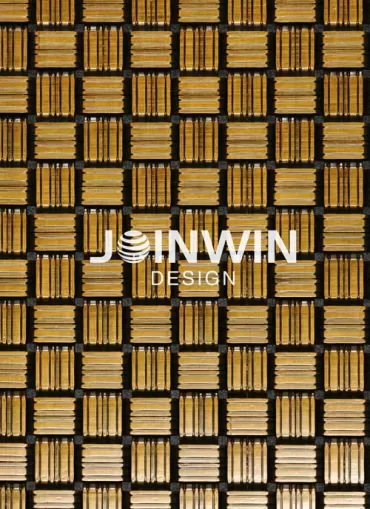
Architectural wire mesh facade is a decorative metal system made from woven or assembled metal wires.
Common materials include:
Stainless steel
Aluminum
Brass
Copper
It is widely used as an external building layer or decorative facade element.
Typical applications include:
Curtain walls
Building envelopes
Sunshade systems
Entrance decoration
Commercial building facades
Public architecture
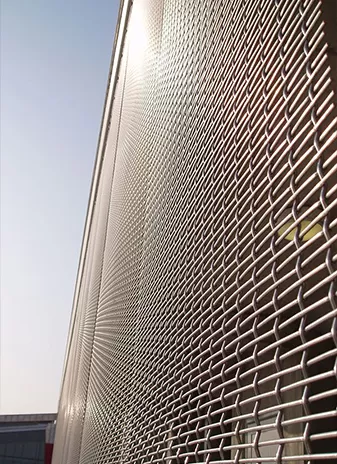
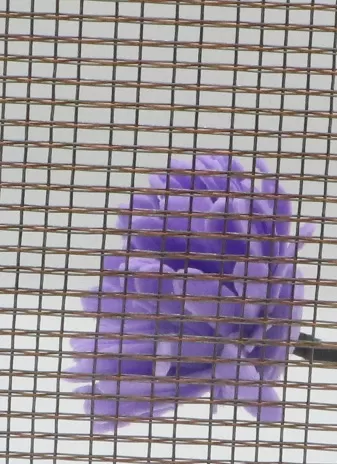
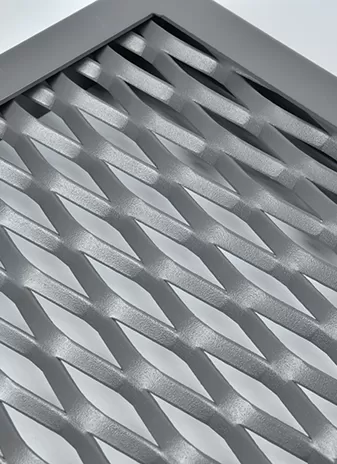
Unlike solid facade materials, metal mesh creates a semi-transparent surface that combines protection with visual openness.
What Is a Glass Facade?
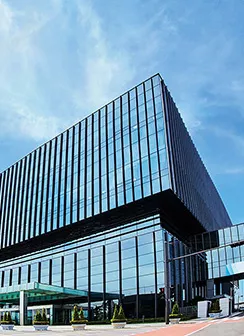
A glass facade is a building exterior system mainly made from glass panels supported by structural frames.
It is commonly used in:
Office buildings
Shopping centers
Hotels
Skyscrapers
Modern commercial architecture
The main purpose of glass facades is to create:
Maximum transparency
Natural lighting
Modern appearance
Glass remains one of the most recognizable materials in contemporary architecture.
Architectural Appearance Comparison
Architectural Wire Mesh: Dynamic and Textured
One of the biggest advantages of architectural wire mesh is its unique visual character.
Metal mesh creates changing appearances depending on:
Sunlight direction
Viewing angle
Lighting conditions
During the day:
The mesh reflects light
Creates shadows
Adds texture to the building surface
At night:
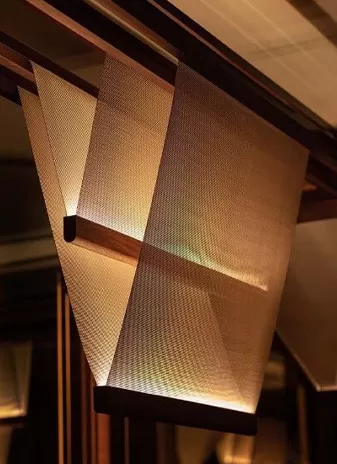
Integrated lighting can create artistic effects
This makes wire mesh ideal for buildings that want a distinctive identity.
Glass Facade: Transparent and Minimalist
Glass creates a clean, modern appearance.
Its main visual advantages include:
High transparency
Open feeling
Bright interior spaces
Glass is often associated with:
Technology companies
Financial buildings
Contemporary offices
However, large glass surfaces may sometimes appear similar between different buildings.
Winner for Design Creativity: Architectural Wire Mesh
For architects seeking unique visual effects and customized designs, architectural wire mesh provides more creative possibilities.
Transparency and Natural Lighting
Glass Facade
Glass provides excellent transparency.
Advantages:
Maximum daylight penetration
Open interior feeling
Exterior visibility
However, excessive sunlight can create:
Glare
Heat gain
Increased cooling requirements
Architectural Wire Mesh
Metal mesh provides controlled transparency.
It allows:
Natural light transmission
Partial visibility
Air movement
The openness can be customized according to the project.
Architects can select different mesh structures to control:
Light intensity
Privacy level
Visual openness
Winner: Depends on Project Requirements
For maximum transparency:
Glass has an advantage.
For balanced lighting and privacy:
Architectural mesh is often a better solution.
Energy Efficiency Comparison
Challenges of Glass Facades
Large glass surfaces may increase solar heat gain.
This can lead to:
Higher air conditioning costs
Increased energy consumption
Special glass coatings can improve performance, but they may increase project costs.
Benefits of Architectural Wire Mesh
Metal mesh can work as a secondary facade layer.
It helps:
Reduce direct sunlight
Provide solar shading
Improve indoor comfort
The building receives natural light while reducing excessive heat exposure.
Winner: Architectural Wire Mesh for Solar Control
For buildings in hot climates, architectural mesh can provide excellent passive shading performance.
Ventilation Performance
Glass Facade
Traditional glass curtain walls are usually sealed systems.
Ventilation mainly depends on:
Mechanical systems
Openable windows
Building equipment
Architectural Wire Mesh
Metal mesh naturally allows airflow.
Advantages:
Better air circulation
Reduced wind pressure
Suitable for semi-open structures
Applications include:
Parking buildings
Outdoor corridors
Sunshade systems
Winner: Architectural Wire Mesh
For projects requiring ventilation and openness, metal mesh provides better performance.
Durability and Maintenance
Glass Facade Maintenance
Glass requires regular cleaning because:
Dust is visible
Water stains affect appearance
High-rise cleaning can be expensive
Glass may also face risks from:
Impact damage
Extreme weather
Stainless Steel Wire Mesh Maintenance
Stainless steel mesh provides:
Excellent corrosion resistance
Long service life
Easy cleaning
Especially for outdoor projects, stainless steel mesh performs well in demanding environments.
Winner: Stainless Steel Architectural Mesh
For long-term outdoor durability, stainless steel mesh offers strong advantages.
Installation and Construction Comparison
Glass Facade Installation
Glass systems require:
Complex supporting structures
Professional installation teams
Careful transportation
Large glass panels may increase handling difficulty.
Architectural Wire Mesh Installation
Metal mesh systems are usually:
Lightweight
Flexible
Easier to transport
Installation methods may include:
Frame systems
Tension systems
Fixed support structures
Winner: Architectural Wire Mesh
Especially for renovation projects or lightweight facade applications.
Cost Comparison
The total project cost depends on:
Material selection
Building size
Installation method
Design requirements
Generally:
Glass Facade Costs Include:
Glass panels
Structural systems
Coatings
Cleaning systems
Architectural Mesh Costs Include:
Metal mesh material
Supporting structures
Installation accessories
Although high-quality stainless steel mesh may have a higher initial material cost, it can provide long-term value through:
Lower maintenance
Longer lifespan
Energy-saving benefits
Environmental and Sustainability Considerations
Modern architecture increasingly focuses on sustainable materials.
Glass Facade
Advantages:
Recyclable material
Good daylight performance
Challenges:
Potential energy consumption from cooling
Architectural Wire Mesh
Advantages:
Durable metal material
Recyclable
Supports passive solar control
Reduces replacement frequency
For sustainable building design, architectural mesh is becoming an increasingly attractive choice.
When Should Architects Choose Architectural Wire Mesh?
Architectural wire mesh is suitable for:
Buildings Requiring Unique Appearance
Examples:
Museums
Cultural buildings
Luxury hotels
Projects Requiring Solar Control
Examples:
Office buildings
Commercial centers
Tropical climate projects
Projects Requiring Privacy
Examples:
Residential buildings
Hotels
Public facilities
Large Exterior Decoration Areas
Examples:
Airports
Shopping malls
Exhibition centers
When Should Architects Choose Glass Facade?
Glass may be preferred when the project requires:
Maximum transparency
Panoramic views
Minimalist appearance
High daylight requirements
Examples:
Office towers
Corporate headquarters
Modern commercial buildings
How to Choose the Right Facade Material?
Before selecting a facade material, architects should consider:
Climate Conditions
Hot, humid, or coastal environments may require corrosion-resistant solutions.
Building Function
Different buildings have different priorities:
Appearance
Energy efficiency
Privacy
Ventilation
Maintenance Requirements
Long-term operating costs should be considered.
Design Goals
The facade should support the architectural concept.
Why Choose a Professional Architectural Wire Mesh Manufacturer?
For international architectural projects, supplier capability is critical.
A reliable manufacturer should provide:
Material recommendations
Custom mesh designs
Technical drawings
Installation support
Quality inspection
Professional manufacturers can customize:
Mesh pattern
Wire diameter
Opening ratio
Surface finish
Panel dimensions
Conclusion
Both architectural wire mesh and glass facades have their own advantages.
Glass provides:
Maximum transparency
Clean modern appearance
Bright interior spaces
Architectural wire mesh provides:
Unique visual effects
Better solar control
Natural ventilation
Privacy protection
Long-term durability
For many modern architectural projects, stainless steel wire mesh is becoming an increasingly popular alternative or complementary solution to traditional glass facades.
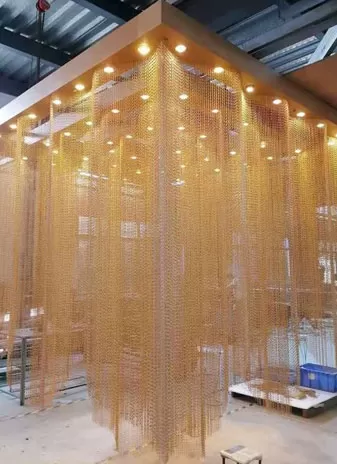
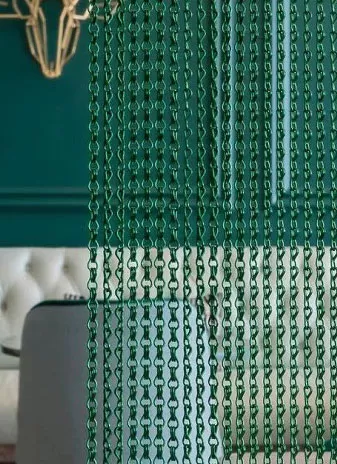
As a professional China architectural wire mesh manufacturer, we supply stainless steel woven mesh, decorative metal mesh, facade mesh systems, chain link curtains, and customized architectural solutions for global architects, contractors, and construction projects.
With advanced manufacturing technology, strict quality control, and international export experience, we help customers create innovative, durable, and visually impressive architectural spaces worldwide.
Architectural Wire Mesh for Facades, Ceilings and Interiors: Design Applications Guide
Metal Decor Website, Customized Metal Decor Products Professionally
Hot Products
Become your professional partner in the architectural decorative mesh industry.


NAVIGATION
Contact Us
Phone:
+86 180 3457 7839
FAX:
+86 311 8961 3055
Address:
The Filter Industrial Part of Anping, Hebei, China