Company News
Aug. 13, 2026
Architectural wire mesh is a versatile metal material used to combine architectural design with practical performance. Unlike conventional wire mesh intended mainly for industrial or protective purposes, architectural mesh is designed with both appearance and function in mind.
Different weaving patterns, wire diameters, opening sizes, materials, and surface finishes can produce significantly different visual and technical characteristics.
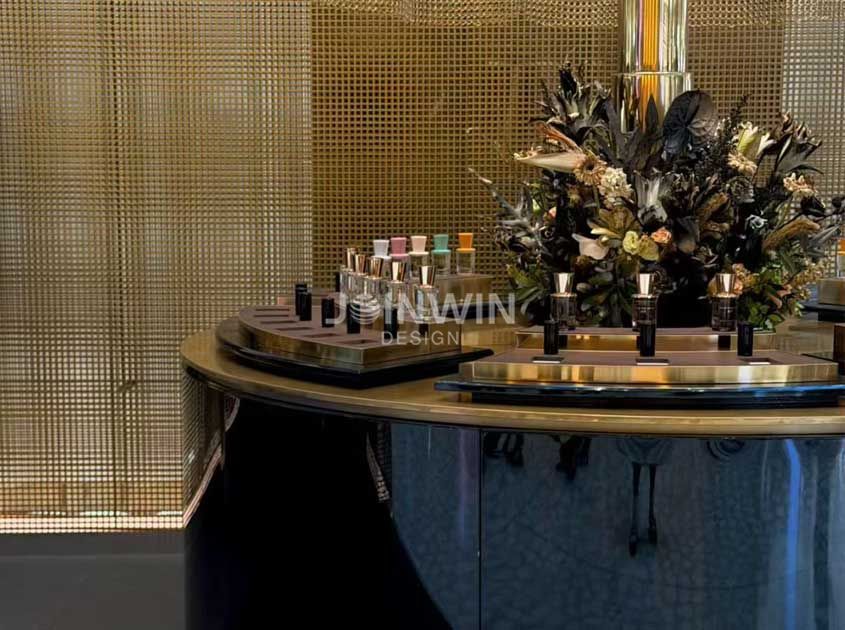
Depending on the design, architectural wire mesh can provide transparency, privacy, airflow, light transmission, solar screening, space division, and decorative effects.
It is commonly used in:
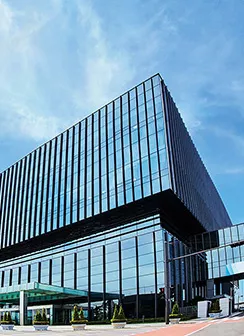
Building facades
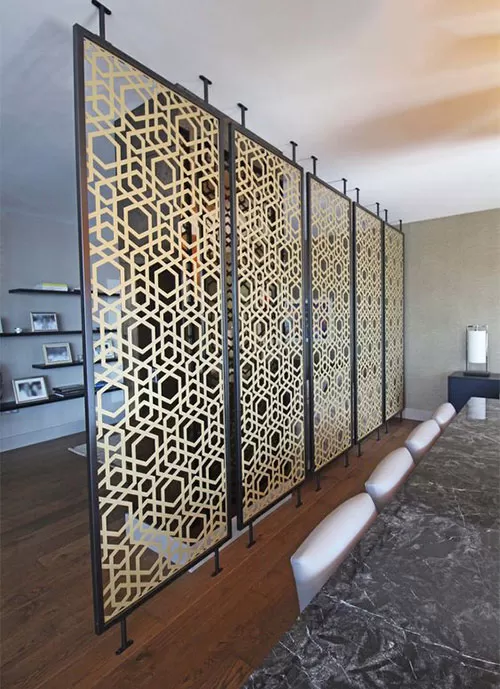
Interior partitions
Ceiling systems
Staircases
Balustrades
Decorative walls
Elevator interiors
Metal curtains
Retail displays
This guide introduces the major types, materials, finishes, and applications of architectural wire mesh to help architects, designers, contractors, and building material suppliers select the right solution.
Architectural wire mesh can be classified according to its structure and manufacturing method.
The most common types include:
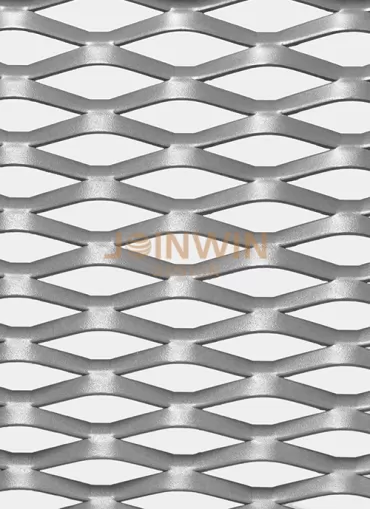
Woven architectural wire mesh
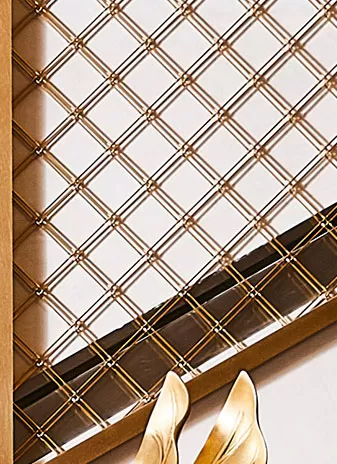
Decorative woven mesh
Architectural metal curtain
Spiral and rod mesh
Chain-based decorative mesh
Cable mesh
Specialty architectural mesh
Each type provides different levels of flexibility, transparency, strength, and visual texture.
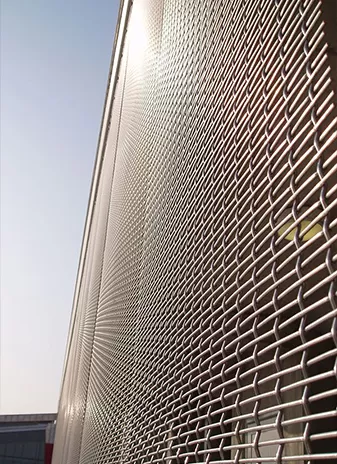
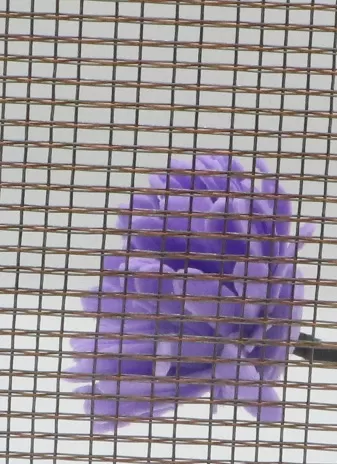
Woven architectural mesh is produced by interlacing metal wires according to a specific weaving pattern.
Common weaving methods include:
Plain weave
Twill weave
Dutch weave
Decorative woven patterns
By changing the wire diameter and spacing, manufacturers can produce meshes ranging from relatively open and transparent structures to dense metallic surfaces.
Woven architectural mesh can be used for:
Building facades
Interior partitions
Decorative walls
Ceiling systems
Balustrades
Sun-screening systems
Stainless steel is particularly popular for this type of mesh because it provides strength and corrosion resistance.
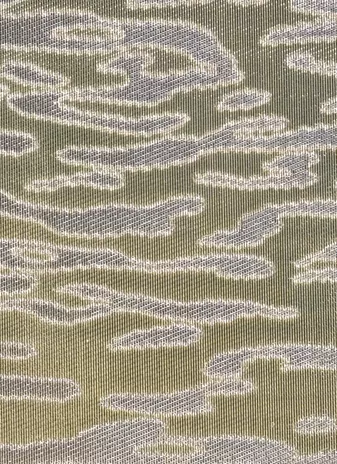
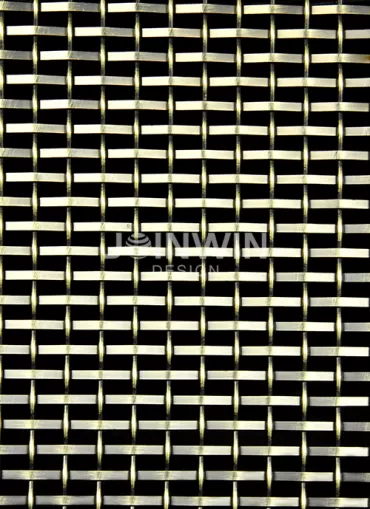
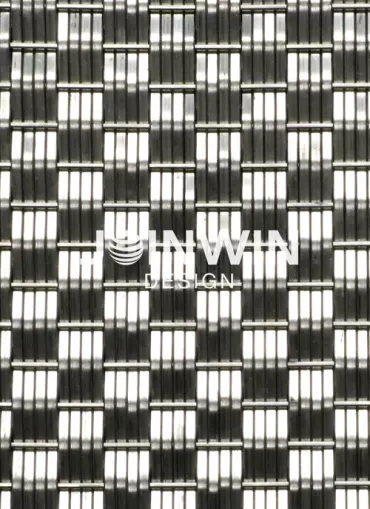
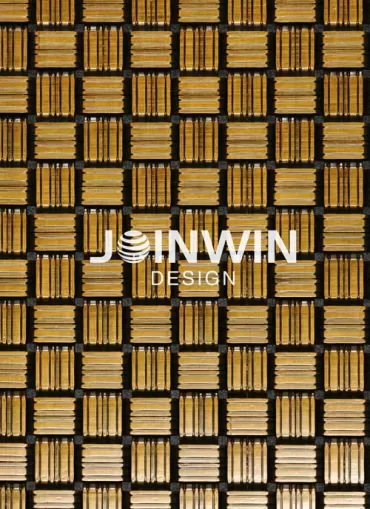
Decorative woven mesh focuses more strongly on visual appearance.
Different wire combinations and weaving patterns can create:
Fine textures
Geometric patterns
Metallic surfaces
Reflective effects
Layered visual effects
Decorative woven mesh is often used in high-end interiors and commercial architecture.
Typical applications include:
Hotel interiors
Restaurants
Shopping centers
Office reception areas
Retail stores
Feature walls
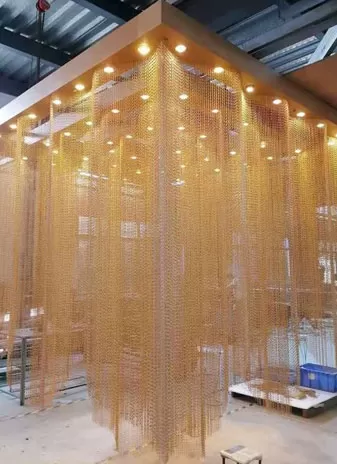
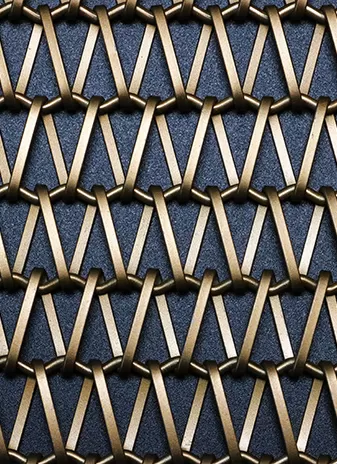
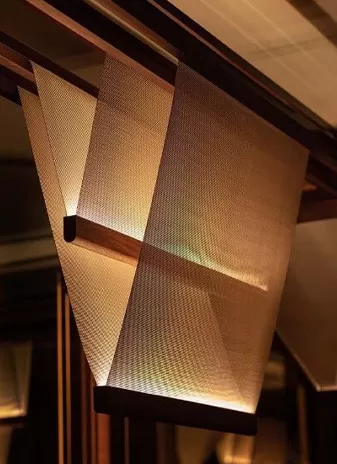
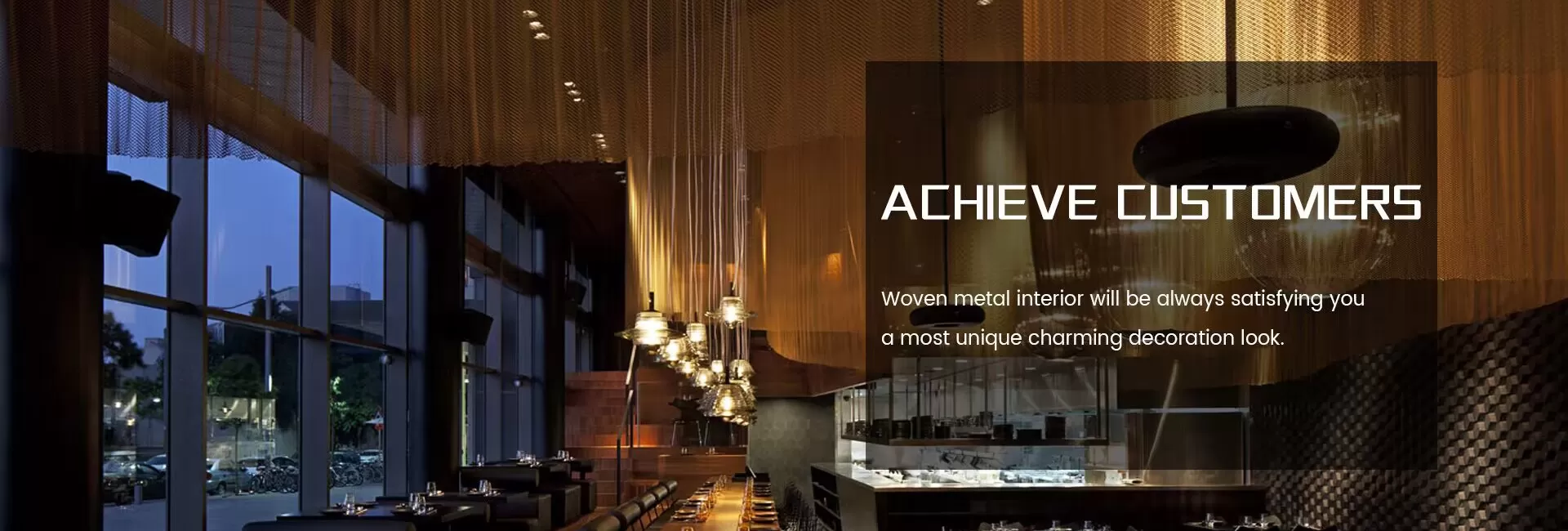
Metal curtain mesh is a flexible architectural material made from metal wires, spirals, or links.
Unlike rigid mesh panels, metal curtains can move and can be installed using tracks, rods, or other suspension systems.
They are commonly used for:
Room dividers
Hotel decoration
Restaurant partitions
Stage backgrounds
Retail displays
Exhibition spaces
Metal curtains provide a visual barrier while maintaining airflow and partial visibility.
Spiral and rod mesh uses specially formed wires or metal rods to create larger and more decorative patterns.
The structure can provide:
High flexibility
Strong visual texture
Good airflow
Adjustable transparency
It can be used as:
Decorative partitions
Ceiling elements
Wall coverings
Curtains
Feature installations
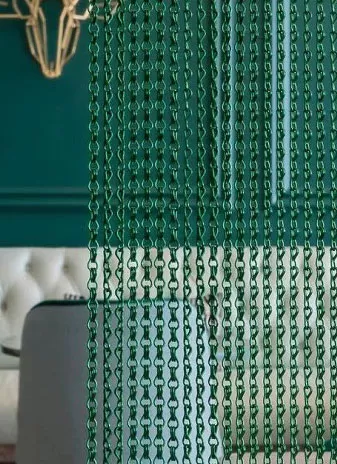
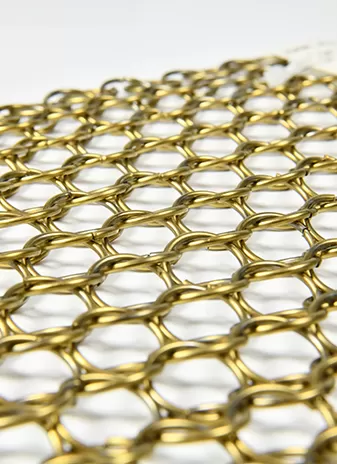
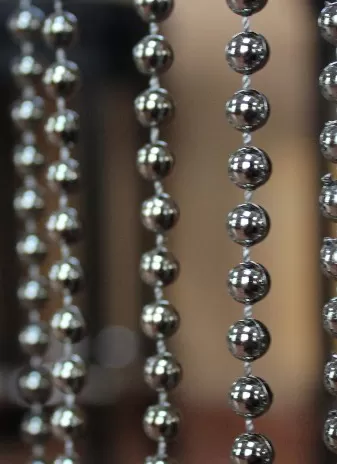
Chain-based mesh is made by connecting small metal chains or links into a continuous decorative surface.
Its lightweight and flexible structure makes it suitable for:
Decorative curtains
Space dividers
Retail displays
Hotel interiors
Restaurant decoration
The open structure allows light and air to pass through the mesh.
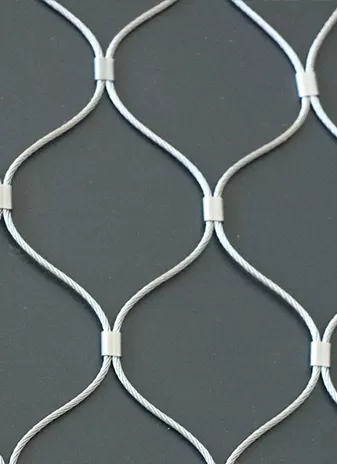
Cable mesh uses metal cables combined with fittings or rods to create a flexible but strong mesh structure.
It is commonly used in applications requiring:
Large spans
Flexibility
Lightweight structures
Safety barriers
Applications can include:
Balustrades
Staircase protection
Atriums
Green walls
Architectural structures
Stainless steel cable mesh is commonly used where durability and corrosion resistance are important.
Some projects require customized mesh structures that do not fit standard product categories.
Specialty architectural mesh may include customized:
Patterns
Wire diameters
Opening sizes
Materials
Colors
Surface finishes
Dimensions
Custom mesh is particularly useful for landmark buildings, branded interiors, and architectural feature installations.
Material selection has a significant influence on both performance and appearance.
The most common materials are:
Stainless steel
Aluminum
Brass
Copper
Carbon steel
Stainless steel is one of the most widely used materials for architectural wire mesh.
Common grades include:
304 stainless steel
316 stainless steel
High strength
Excellent corrosion resistance
Long service life
Modern metallic appearance
Suitable for interior and exterior applications
304 stainless steel is suitable for many general architectural projects.
316 stainless steel can be considered for environments with greater exposure to salt, moisture, or corrosive conditions.
Exterior facades
Sun screens
Balustrades
Interior partitions
Ceiling systems
Decorative walls
Aluminum is lightweight and easy to fabricate.
Its low density makes it useful when the weight of the architectural system is an important consideration.
Lightweight
Good corrosion resistance
Easy to process
Suitable for large decorative surfaces
Building facades
Interior ceilings
Decorative screens
Partitions
Lightweight architectural structures
Aluminum can also be finished in different colors to match architectural designs.
Brass provides a warm golden metallic appearance.
It is commonly selected when the visual effect is more important than maximum structural performance.
Luxury hotels
Restaurants
Retail interiors
Feature walls
Decorative partitions
Brass mesh can create a warmer atmosphere than stainless steel or aluminum.
Copper provides a distinctive reddish metallic appearance and can develop a natural patina over time.
It can be used for:
Decorative walls
Interior partitions
Feature installations
Historic or artistic architectural projects
The changing surface appearance can become part of the design concept.
Carbon steel can provide high strength at a relatively economical material cost.
It can be finished with appropriate protective coatings for architectural applications.
Potential finishes include:
Powder coating
Paint
Galvanizing
Carbon steel is generally more dependent on its protective finish for corrosion resistance than stainless steel.
The same mesh can look completely different depending on its surface finish.
Common finishes include:
Preserves the original appearance of the metal.
Suitable for:
Industrial-style interiors
Modern architecture
Minimalist designs
Creates a subtle directional texture.
It is commonly used for:
Interior partitions
Elevator interiors
Decorative walls
Provides a brighter and more reflective appearance.
It can be used in:
Luxury interiors
Retail spaces
Feature installations
PVD coating can create architectural colors while maintaining a metallic appearance.
Common colors include:
Gold
Bronze
Black
Champagne
Titanium
This is particularly useful for premium interior applications.
Powder coating allows manufacturers to provide a wide range of colors.
It is useful when the mesh needs to coordinate with:
Building facades
Interior color schemes
Brand identity
Landscape design
| Mesh Type | Flexibility | Transparency | Typical Applications |
|---|---|---|---|
| Woven mesh | Medium | Adjustable | Facades, partitions |
| Decorative woven mesh | Medium | Adjustable | Interiors, feature walls |
| Metal curtain | High | High | Partitions, decoration |
| Spiral/rod mesh | High | Adjustable | Ceilings, curtains |
| Chain mesh | Very high | High | Decorative curtains |
| Cable mesh | High | High | Balustrades, safety |
| Specialty mesh | Project-specific | Project-specific | Custom architecture |
The best type depends on the desired combination of appearance, flexibility, transparency, strength, and installation method.
Architectural mesh can be used throughout a building.
Architectural mesh can create a secondary layer in front of the building.
It can provide:
Visual depth
Decorative appearance
Solar screening
Partial privacy
Airflow
The mesh can be installed as panels or tensioned systems depending on the design.
Architectural mesh can divide large spaces without creating a completely solid wall.
Common applications include:
Offices
Hotels
Restaurants
Retail stores
Public buildings
The result is a balance between separation and visual connection.
Metal mesh can be suspended from ceilings to create a decorative layer.
It can also help visually integrate lighting and building services into the interior design.
Mesh can be installed around:
Staircases
Balconies
Walkways
Mezzanines
It provides both visual interest and a physical barrier.
For these applications, the mesh and fixing system must meet the relevant safety requirements.
Flexible metal curtains are particularly suitable for interiors.
They can be used to divide:
Dining areas
Hotel spaces
Exhibition areas
Retail spaces
Event spaces
Unlike conventional fabric curtains, metal mesh provides a distinctive architectural texture.
Mesh can be installed externally to partially screen sunlight.
Its effectiveness depends on:
Mesh openness
Orientation
Building location
Solar exposure
Installation distance from the facade
Architectural mesh can therefore be incorporated into broader passive-design strategies.
Metal mesh can be combined with lighting and other materials to create decorative elevator interiors.
Common combinations include:
Stainless steel + glass
Brass + wood
Aluminum + stone
Mesh + LED lighting
Architectural mesh can create lightweight display structures for:
Shops
Shopping malls
Showrooms
Exhibition spaces
Its transparency allows products and architectural elements to remain visually connected.
When selecting architectural mesh, consider the following factors.
First determine whether the mesh is intended for:
Facade
Partition
Ceiling
Curtain
Balustrade
Decorative wall
Choose the appropriate material based on:
Strength
Corrosion resistance
Weight
Appearance
Budget
Opening size determines:
Transparency
Privacy
Light transmission
Visual density
Wire diameter influences:
Strength
Weight
Appearance
Cost
Choose a finish according to the desired architectural style.
Determine whether the mesh will be:
Framed
Tensioned
Suspended
Fixed directly
Installed as a curtain
The requirements can be different depending on where the mesh is installed.
| Factor | Interior | Exterior |
|---|---|---|
| Corrosion resistance | Moderate/High | High |
| Appearance | Very important | Very important |
| Weather resistance | Less important | Critical |
| Material options | Broad | More limited |
| Surface finish | Decorative | Weather-resistant |
| Installation | Flexible | Structural requirements |
For exterior applications, stainless steel and appropriately finished aluminum are commonly considered because of their weather resistance.
Stainless steel has become one of the most popular choices because it combines:
Strength + Corrosion Resistance + Durability + Modern Appearance
It can be used in both interior and exterior environments and can receive different surface finishes.
This makes stainless steel architectural mesh particularly versatile for projects where designers want a material that performs well technically while maintaining a premium appearance.
joinwin design architectural wire mesh solutions for architects, designers, contractors, and building material suppliers.
Our products can be customized according to project requirements, including:
Material
Wire diameter
Mesh opening
Weaving pattern
Panel or roll dimensions
Surface finish
Color
Installation configuration
Depending on the project, available materials can include stainless steel, aluminum, brass, copper, and other metal options.
For large architectural projects, customized specifications can help designers achieve the required combination of transparency, texture, strength, light transmission, and visual appearance.
Stainless steel is one of the most widely used materials because it provides excellent strength, corrosion resistance, durability, and a modern appearance.
Woven stainless steel mesh is a common choice for facade applications, but the best option depends on the desired transparency, solar screening, appearance, structural requirements, and installation method.
Yes. Decorative woven mesh, metal curtains, brass mesh, copper mesh, and PVD-finished stainless steel mesh are commonly used for interior applications.
Yes. Stainless steel and appropriately finished aluminum mesh can be suitable for exterior applications. The material and surface treatment should be selected according to the local environment.
Yes. Architectural mesh can be customized in material, pattern, wire diameter, opening size, dimensions, color, and surface finish depending on the product type and project requirements.
It can. Mesh density and opening size can be selected to control visibility. Denser patterns provide greater visual screening while still allowing some light and airflow.
Architectural wire mesh is available in a wide range of types, materials, patterns, and finishes, making it adaptable to many modern building applications.
Woven mesh can provide structured metallic surfaces for facades and partitions, while flexible metal curtains and chain-based mesh can create dynamic interior spaces. Stainless steel offers durability and corrosion resistance, aluminum provides lightweight construction, and brass and copper introduce distinctive decorative finishes.
The right architectural mesh should be selected according to the project's application, material, transparency, strength, environment, surface finish, and installation method.
For architects and designers, the value of architectural wire mesh lies in its ability to combine function and visual expression in a single material.
joinwin design supplies customizable architectural wire mesh for interior and exterior projects, supporting different materials, patterns, dimensions, finishes, and architectural applications.
Architectural Wire Mesh for Facades, Ceilings and Interiors: Design Applications Guide
Metal Decor Website, Customized Metal Decor Products Professionally
Hot Products
Become your professional partner in the architectural decorative mesh industry.


NAVIGATION
Contact Us
Phone:
+86 180 3457 7839
FAX:
+86 311 8961 3055
Address:
The Filter Industrial Part of Anping, Hebei, China