Company News
Feb. 11, 2026
Architectural woven mesh has become an increasingly popular material in modern construction, interior design, and industrial applications. Known for its versatility, strength, and aesthetic appeal, woven metal mesh provides unique solutions for both functional and decorative purposes. This article explores the key features and benefits of architectural woven mesh, helping designers, architects, and project managers make informed choices.
1. What Is Architectural Woven Mesh?
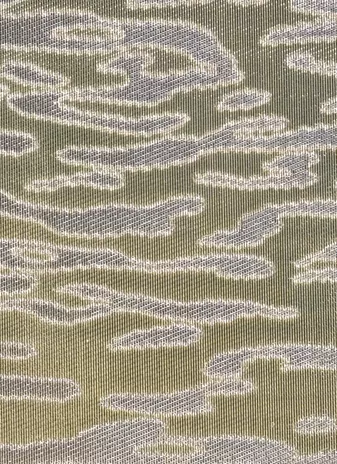
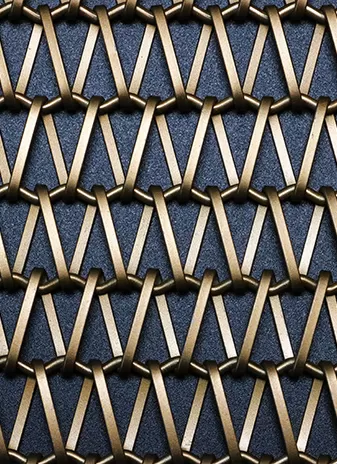
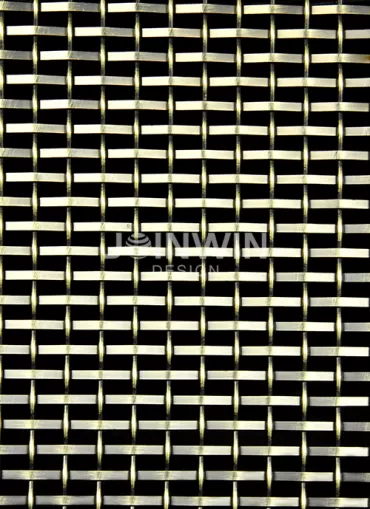
Architectural woven mesh is a type of metal fabric made by interlacing metal wires, rods, or strips in precise patterns. Unlike standard wire mesh used for fencing or industrial purposes, architectural woven mesh is designed to combine visual appeal with structural performance.
Common materials include:
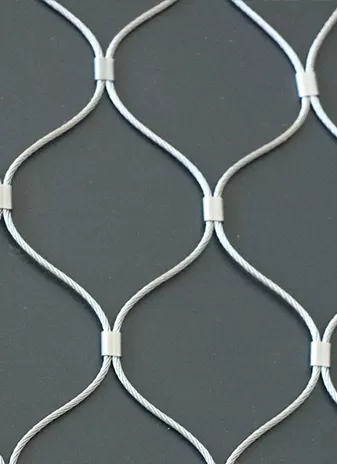
Stainless steel (304, 316) – excellent corrosion resistance, ideal for both interior and exterior applications
Aluminum – lightweight, durable, and easy to install
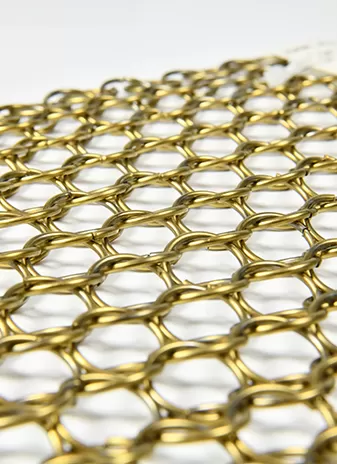
Copper or brass – adds a premium decorative effect
Carbon steel – cost-effective and strong, often with protective coatings
The flexibility in materials and weaving patterns makes architectural woven mesh suitable for a wide range of applications.
2. Key Features of Architectural Woven Mesh
2.1 Unique Design and Patterns
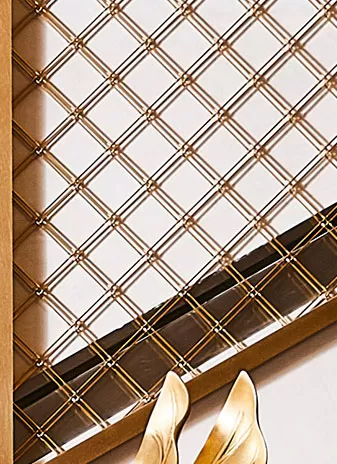
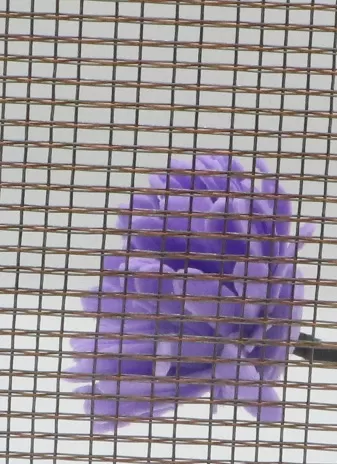
Architectural woven mesh offers customizable patterns, including:
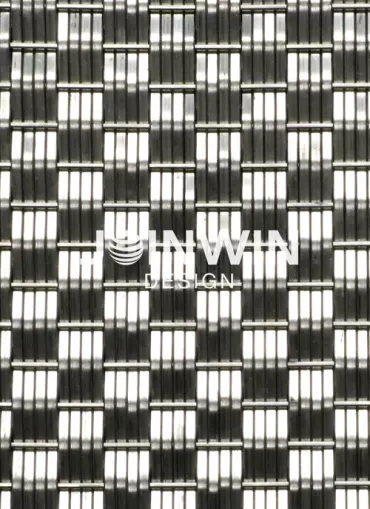
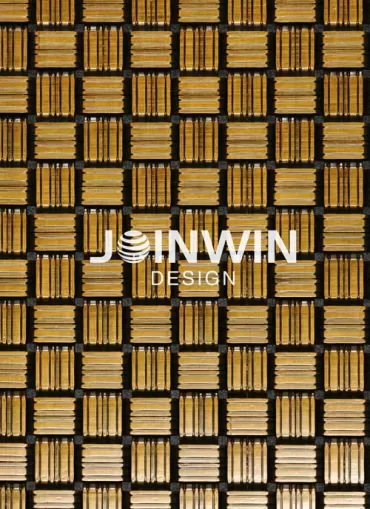
Flat weave
Crimped weave
Spiral weave
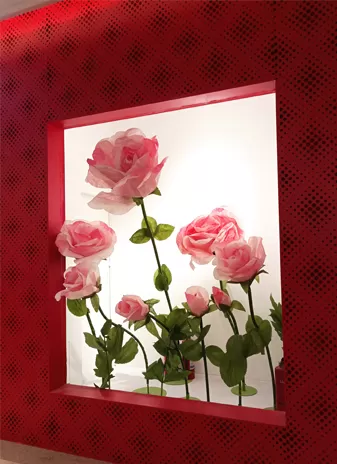
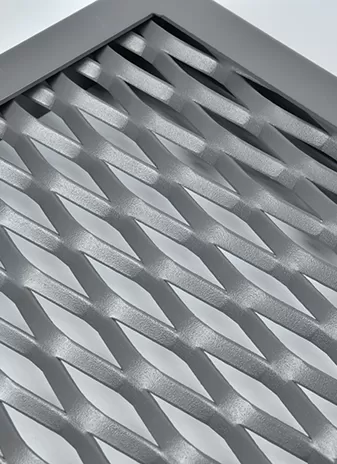
Decorative or perforated designs
These patterns provide visual interest, texture, and transparency, allowing natural light and airflow while maintaining a level of privacy.
2.2 Durability and Strength
The interwoven structure distributes mechanical stress evenly, making it strong and resistant to deformation. Stainless steel and galvanized options ensure long-term durability, even in harsh outdoor conditions.
2.3 Flexibility
Woven mesh can be curved, folded, or cut to fit specific design requirements, making it ideal for:
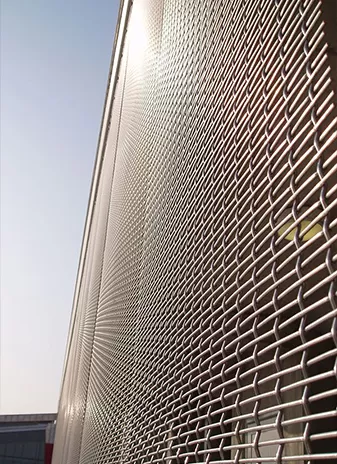
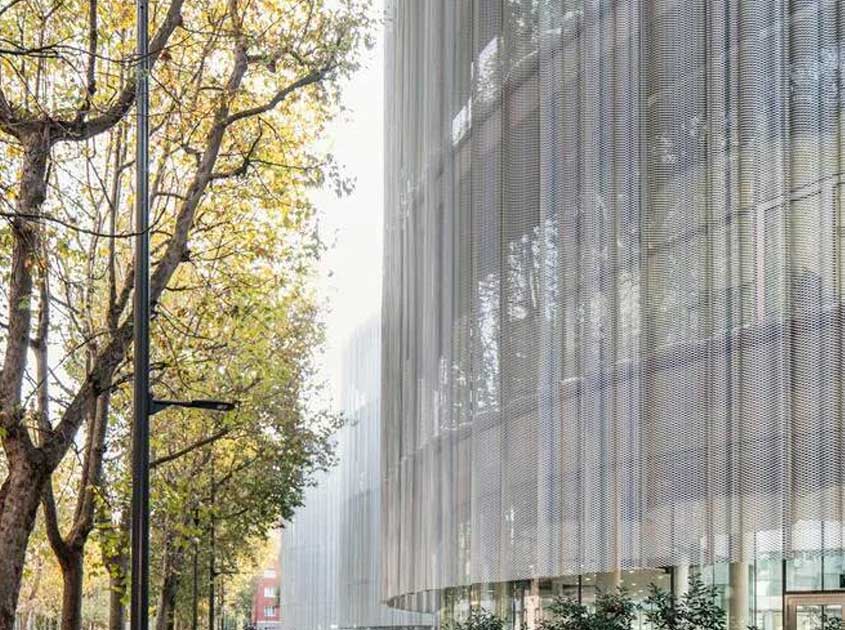
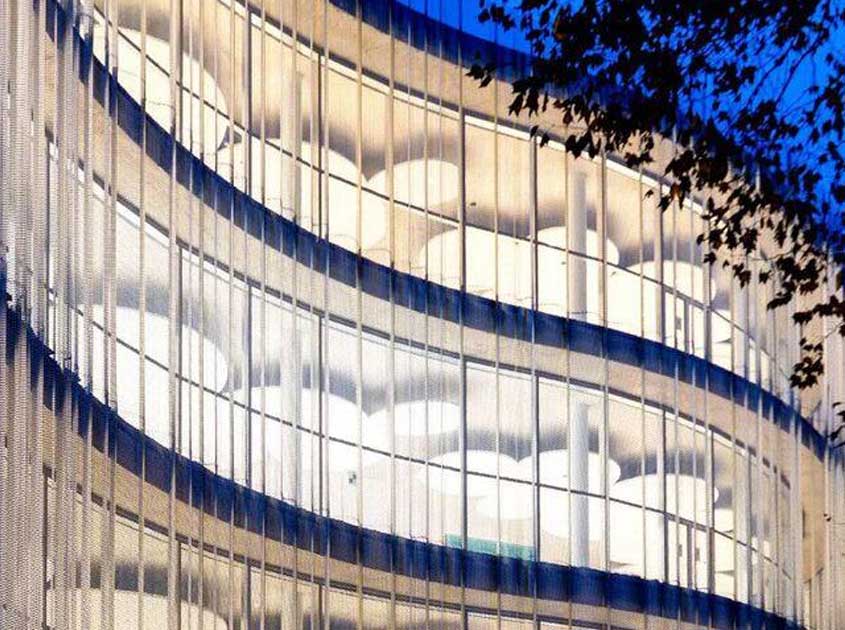
Curved facades
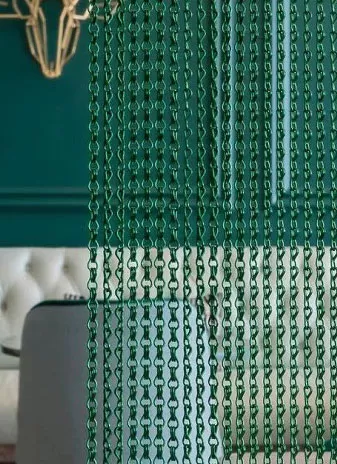
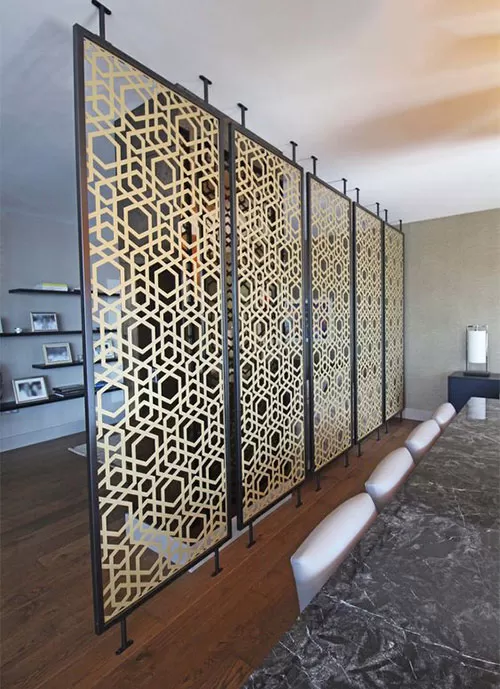
Partition walls
Ceiling panels
Decorative screens
This flexibility supports creative architectural applications.
2.4 Corrosion and Weather Resistance
High-quality materials and surface treatments, such as galvanizing, powder coating, and anodizing, protect architectural mesh from rust, UV damage, and chemical exposure. This feature is essential for outdoor installations in areas with humid, salty, or high-temperature environments.
2.5 Fire Resistance
Metal woven mesh is non-combustible, offering fire safety benefits for residential, commercial, and industrial buildings. It complies with international fire safety standards, which is particularly important for high-rise buildings and public spaces.
3. Benefits of Using Architectural Woven Mesh
3.1 Aesthetic Appeal
Architectural woven mesh enhances the visual impact of a building or interior space. It can be customized in:
Wire thickness
Opening size
Pattern design
Surface finish (brushed, polished, powder-coated, or antique look)
This versatility allows designers to achieve a modern, luxurious, or industrial aesthetic.
3.2 Functional Advantages
Besides aesthetics, architectural woven mesh provides functional benefits:
Ventilation and airflow – suitable for sunshades and facades
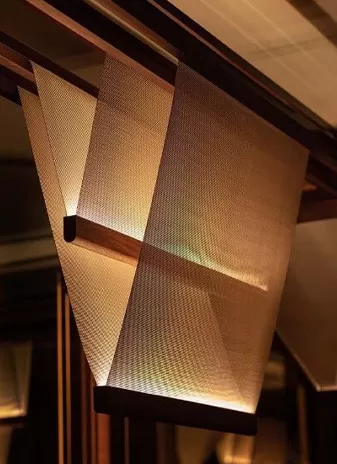
Light control – diffuses sunlight without completely blocking views
Acoustic performance – reduces echo when used in ceiling or partition panels
Security and privacy – acts as a protective barrier while maintaining transparency
3.3 Cost-Effectiveness
While high-quality mesh may have a higher upfront cost, its long lifespan, low maintenance, and durability make it cost-effective over time. It reduces the need for frequent replacement or repairs, especially in outdoor and industrial applications.
3.4 Eco-Friendly Choice
Many architectural woven meshes are made from recyclable metals like stainless steel and aluminum. Using these materials contributes to sustainable building practices.
4. Common Applications of Architectural Woven Mesh
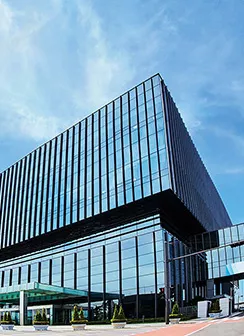
Building Facades – modern and durable exterior cladding
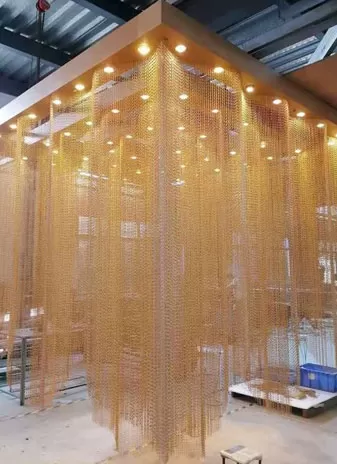
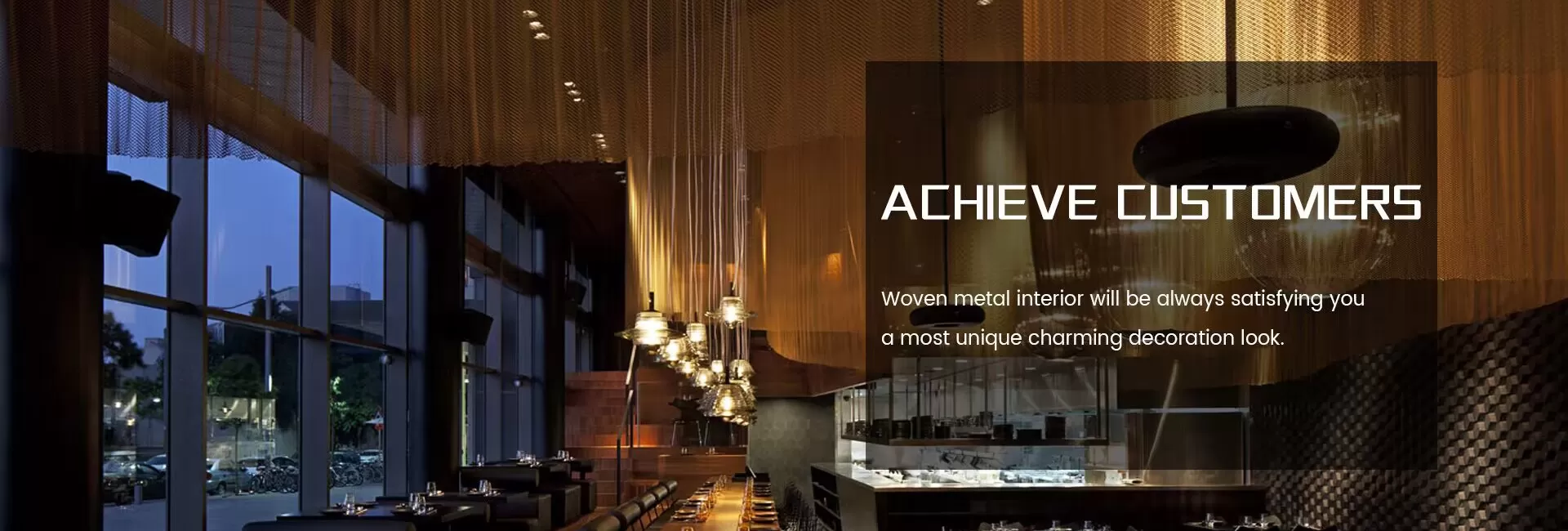
Interior Design – partitions, ceilings, stair railings, and wall decoration
Sun Shades and Canopies – reduce glare and improve ventilation
Safety and Security Panels – industrial and commercial applications
Decorative Screens – hotels, offices, shopping malls, and residential spaces
Its adaptability makes it suitable for both residential and industrial projects.
5. Choosing the Right Architectural Woven Mesh
When selecting architectural woven mesh, consider:
Material – stainless steel for durability, aluminum for lightness, or decorative metals for aesthetics
Wire diameter and mesh opening – affects strength, transparency, and airflow
Surface finish – influences appearance and corrosion resistance
Environmental conditions – outdoor exposure requires weather-resistant options
Project purpose – decorative, functional, or structural applications
Partnering with an experienced Chinese manufacturer of architectural woven mesh ensures access to customized solutions, technical support, and quality certifications.
6. Conclusion
Architectural woven mesh combines style, strength, and functionality, making it an ideal solution for modern construction projects. Its customizable patterns, durability, and versatility allow it to meet both residential and industrial requirements.
By selecting the right material, weave pattern, and finish, designers and project managers can achieve a balance between aesthetic appeal and practical performance, while ensuring compliance with safety and durability standards.
For reliable supply and customization, partnering with an experienced Chinese architectural woven mesh manufacturer can provide cost-effective, high-quality solutions for global projects.
A Decorative Mesh Curtain for Modern Fireplaces - Metal Coil Drapery Fireplace Screen
Metal Decor Website, Customized Metal Decor Products Professionally
Hot Products
Become your professional partner in the architectural decorative mesh industry.


NAVIGATION
Contact Us
Phone:
+86 180 3457 7839
FAX:
+86 311 8961 3055
Address:
The Filter Industrial Part of Anping, Hebei, China